
Free Shipping
Safe & Secure Payments
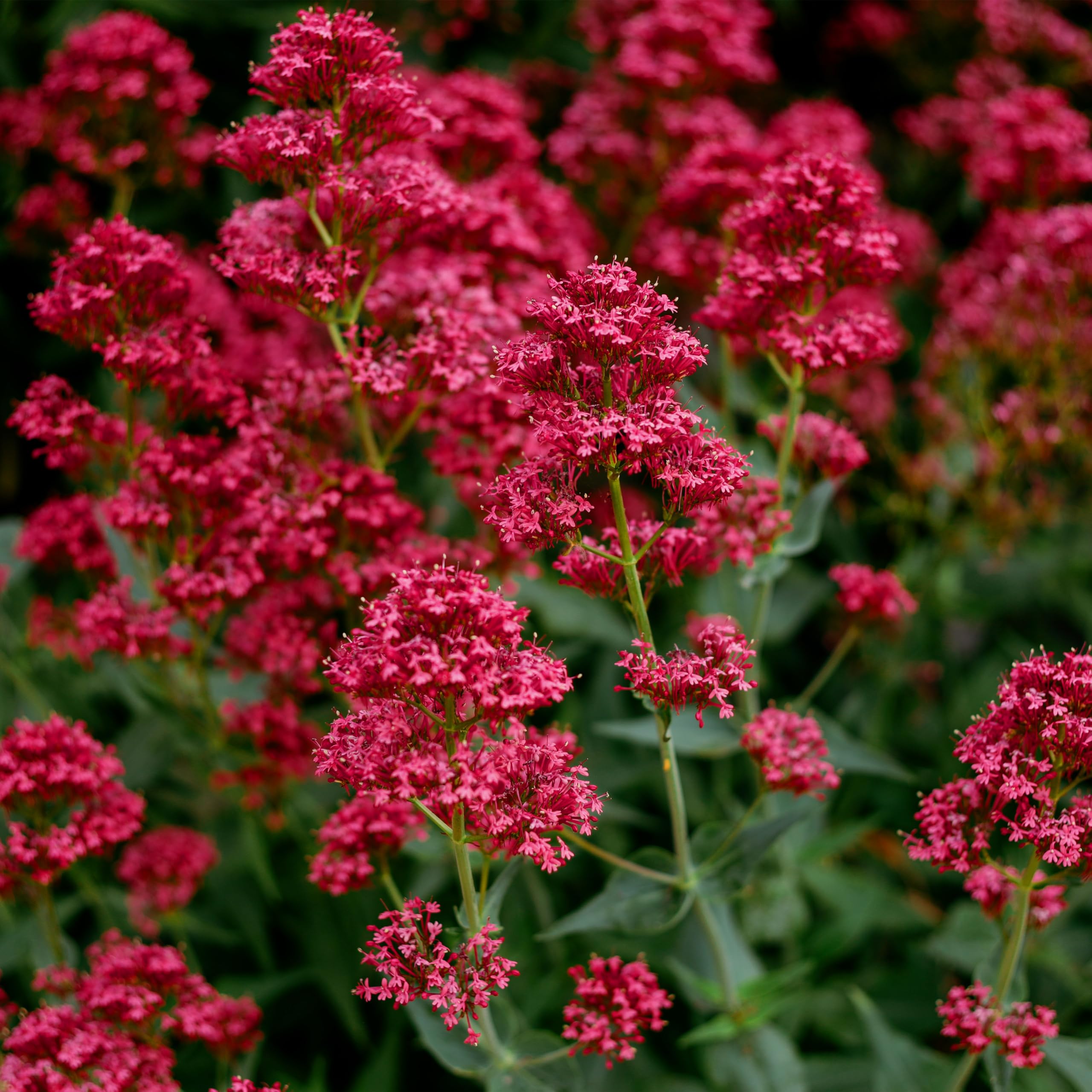
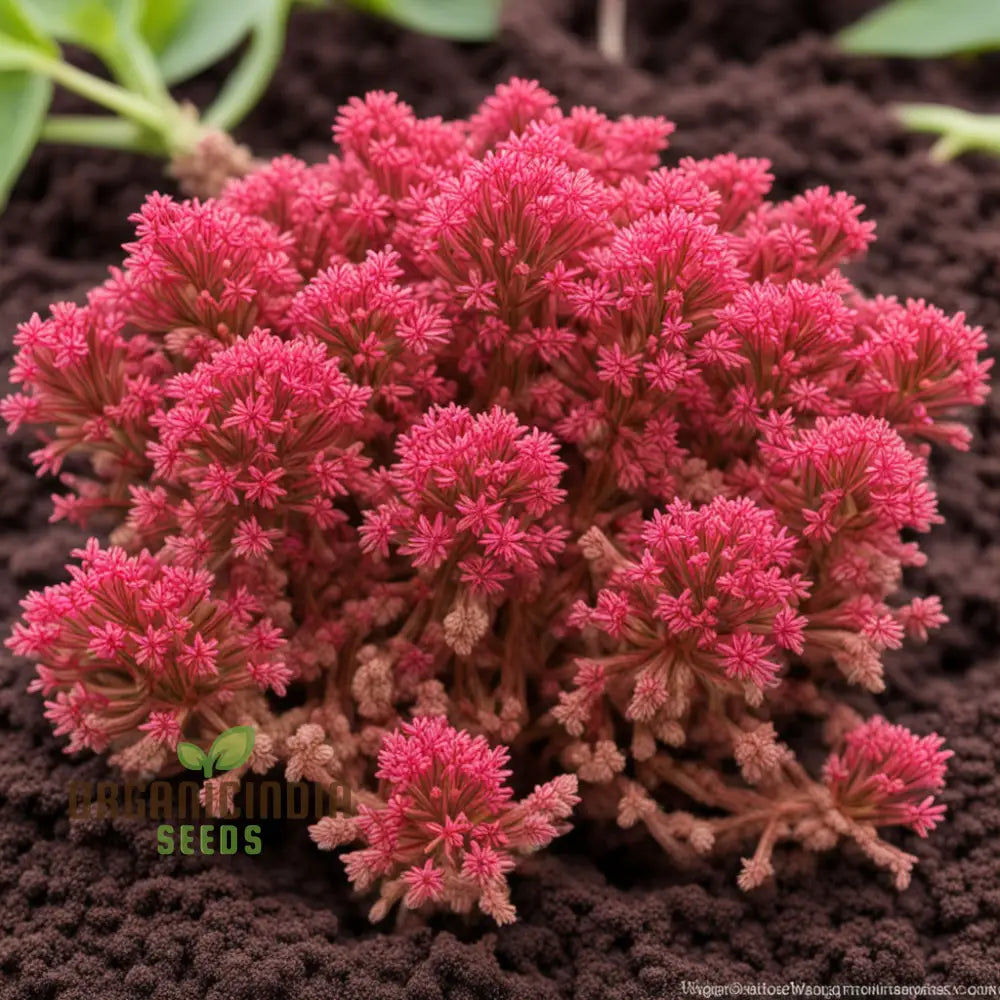
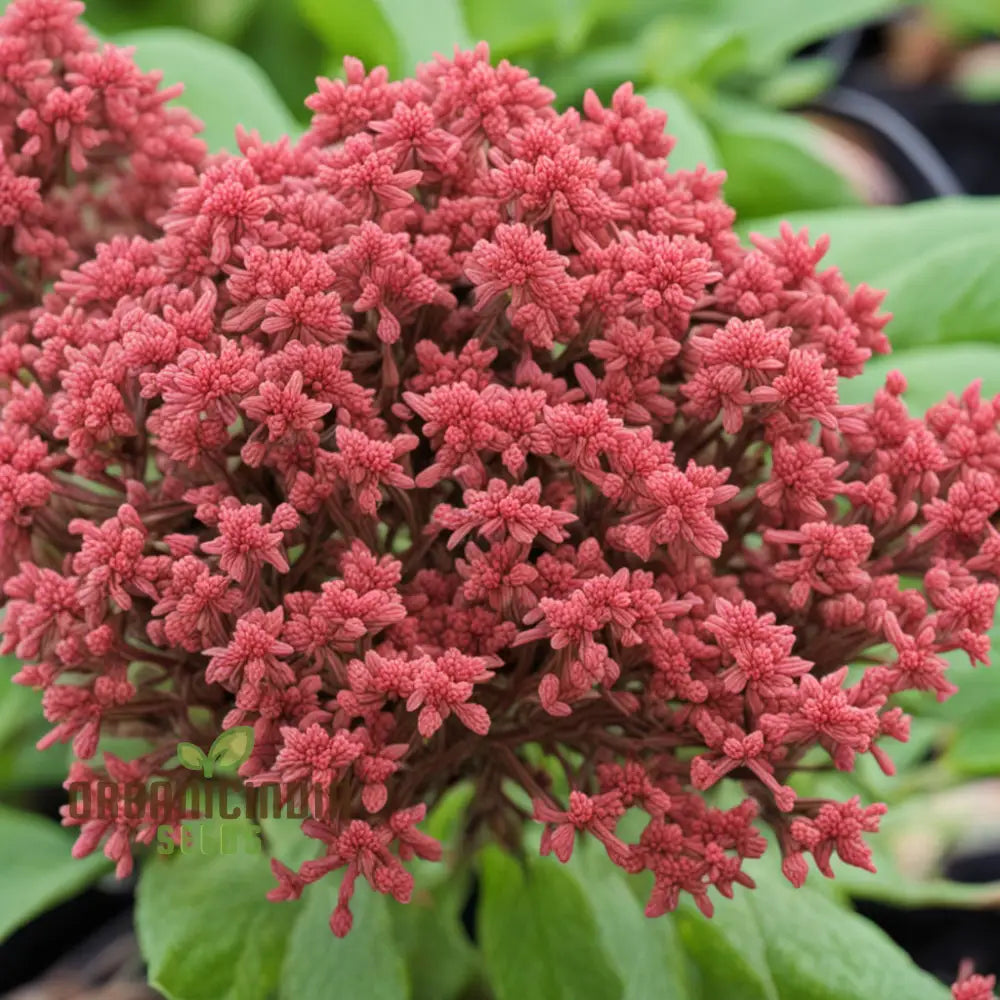
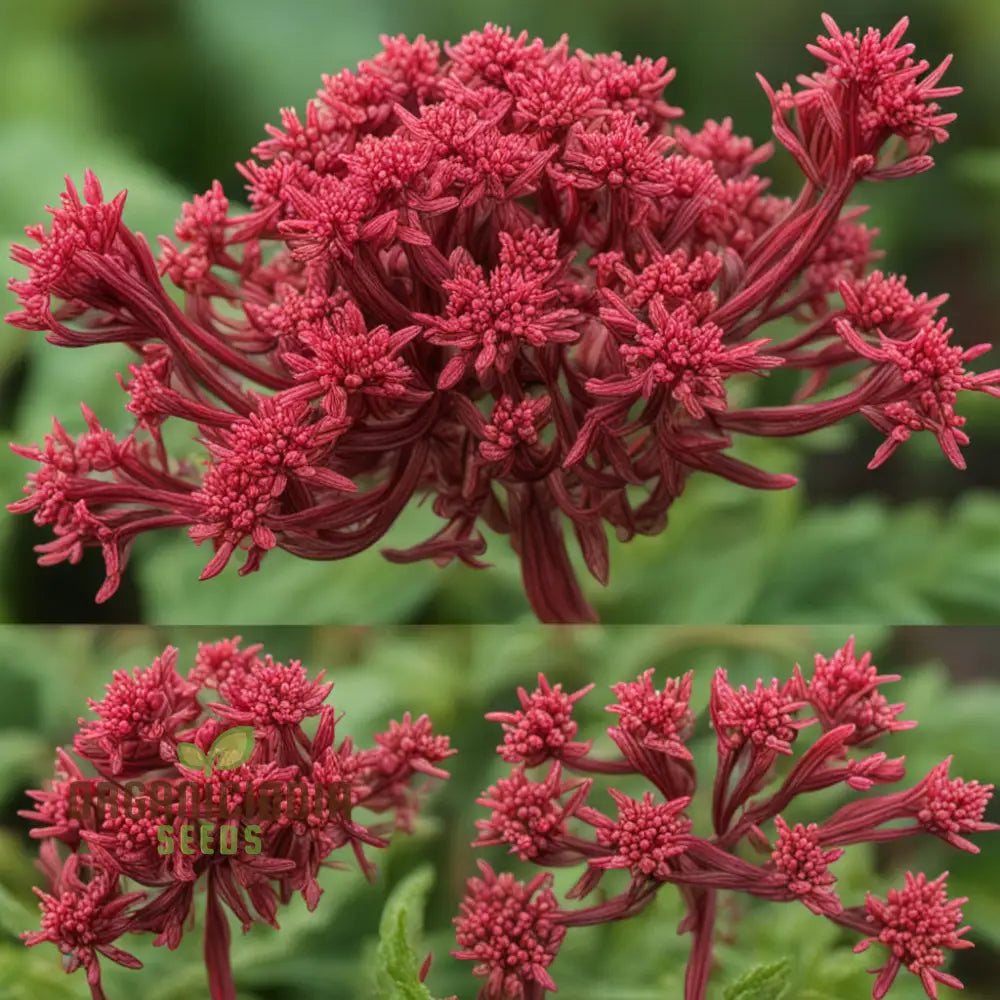
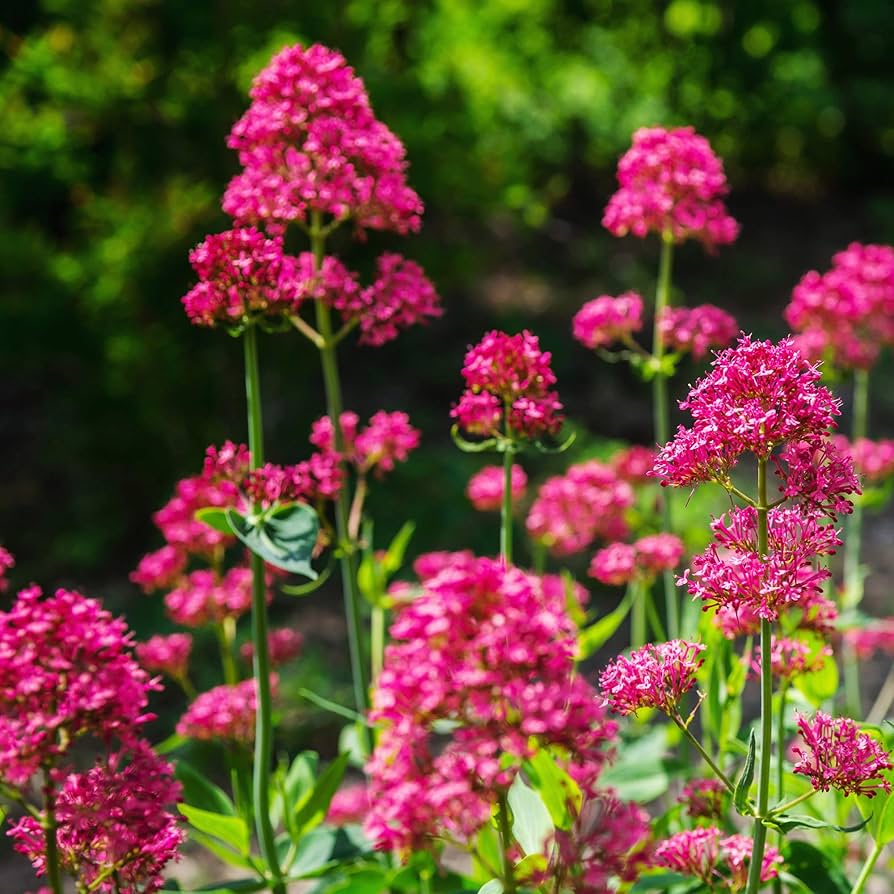
Add striking color and effortless charm to your landscape with Red Jupiter’s Beard (Centranthus Ruber) Seeds, known for producing clusters of vivid red blooms that attract pollinators and brighten any garden setting. This hardy, fast-growing perennial thrives in a wide range of conditions and is especially valued for its ability to flower from spring through fall.
Perfect for borders, cottage gardens, dry landscapes, and rock gardens, Jupiter’s Beard is a reliable performer that delivers constant color with minimal care. Its heat tolerance, long flowering season, and ability to thrive in poor soils make it a favorite for low-maintenance gardening.
Produces vibrant red flower clusters
High-quality, non-GMO seeds
Long blooming season from late spring to fall
Attracts bees, butterflies, and beneficial insects
Drought-tolerant once established
Suitable for borders, cottage gardens, and dry landscapes
Low-maintenance and fast-growing perennial
Ideal for creating vibrant, pollinator-friendly gardens
Botanical Name: Centranthus ruber
Common Name (US): Jupiter’s Beard / Red Valerian
Plant Type: Perennial (may be grown as annual in cold climates)
Seed Type: High-Quality, Non-GMO
Flower Color: Deep Red
Bloom Season: Late Spring – Early Fall
USDA Hardiness Zones: 5–9
Sun Exposure: Full Sun to Light Shade
Soil Requirements: Well-drained soil; tolerates poor, rocky, or sandy soils
Plant Height: 24–30 inches
Spacing: 12–18 inches
Watering Needs: Low to moderate; drought tolerant once mature
Germination Time: 14–21 days
Temperature for Germination: 65–75°F
Growth Habit: Upright, branching
Uses: Borders, rock gardens, cottage gardens, perennial beds
Special Notes: Deadheading encourages additional blooms; hardy and resilient even in tough soil conditions.
Start indoors 6–8 weeks before last frost.
Use a light, well-draining seed-starting mix.
Sow seeds on the soil surface and lightly press; do not bury deeply.
Maintain temperatures between 65–75°F.
Provide bright light or use grow lights for strong seedlings.
Harden off seedlings gradually.
Transplant after frost danger has passed into well-drained, sunny locations.
Water consistently during early growth.
Once established, the plant becomes drought-tolerant.
Deadhead spent blooms to prolong flowering.
Cut back in late fall to encourage fresh spring growth.
Expect blooms in late spring and continuous flowering until early fall.
Provides vivid, continuous color in the garden
Perfect for pollinator-friendly landscapes
Highly resilient and suitable for low-maintenance gardening
Excellent for poor soil or rocky garden areas
Great for natural, cottage-style, or coastal gardens
Choose options