
Free Shipping
Safe & Secure Payments
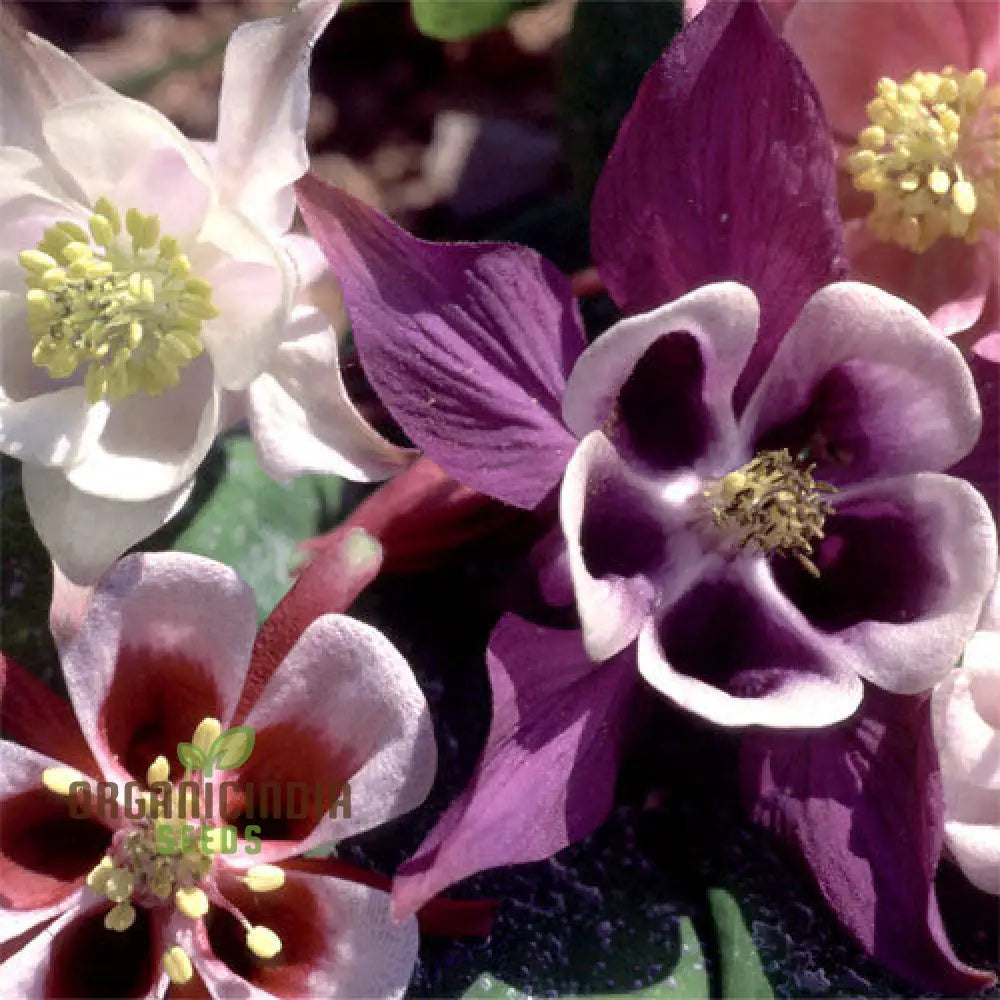
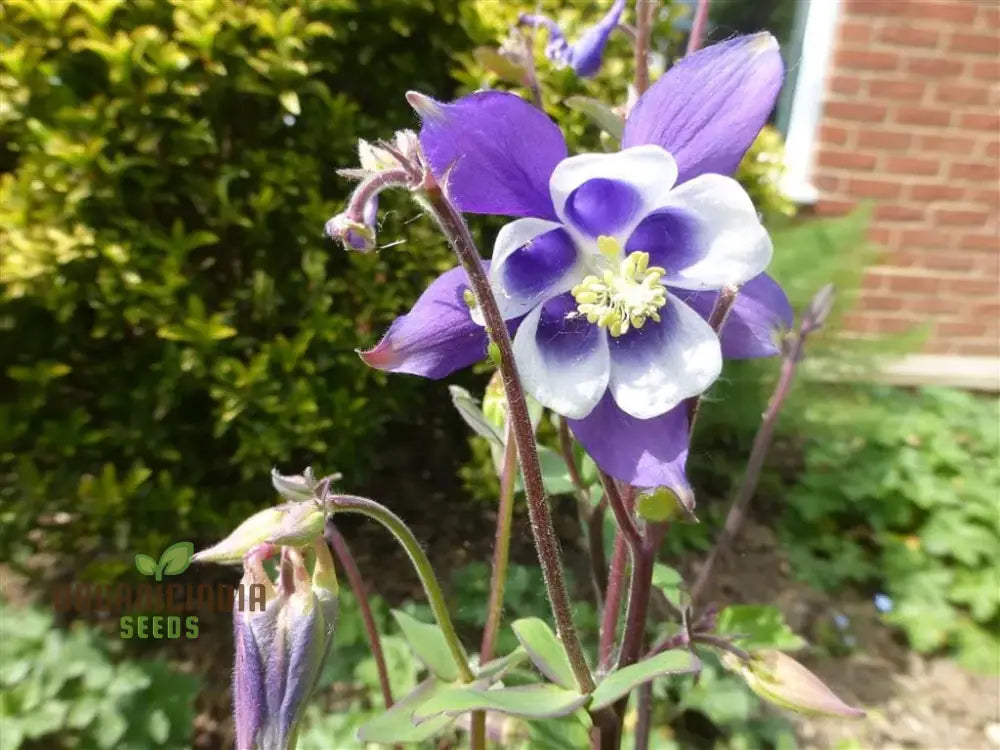
Discover the beauty and variety of Aquilegia Mixed Species, Cultivars and Forms Seeds, a gardener’s delight known for its enchanting, uniquely shaped flowers and wide range of colors. Aquilegia, commonly known as Columbine in the US, produces delicate, nodding blossoms that attract attention in spring and early summer garden landscapes.
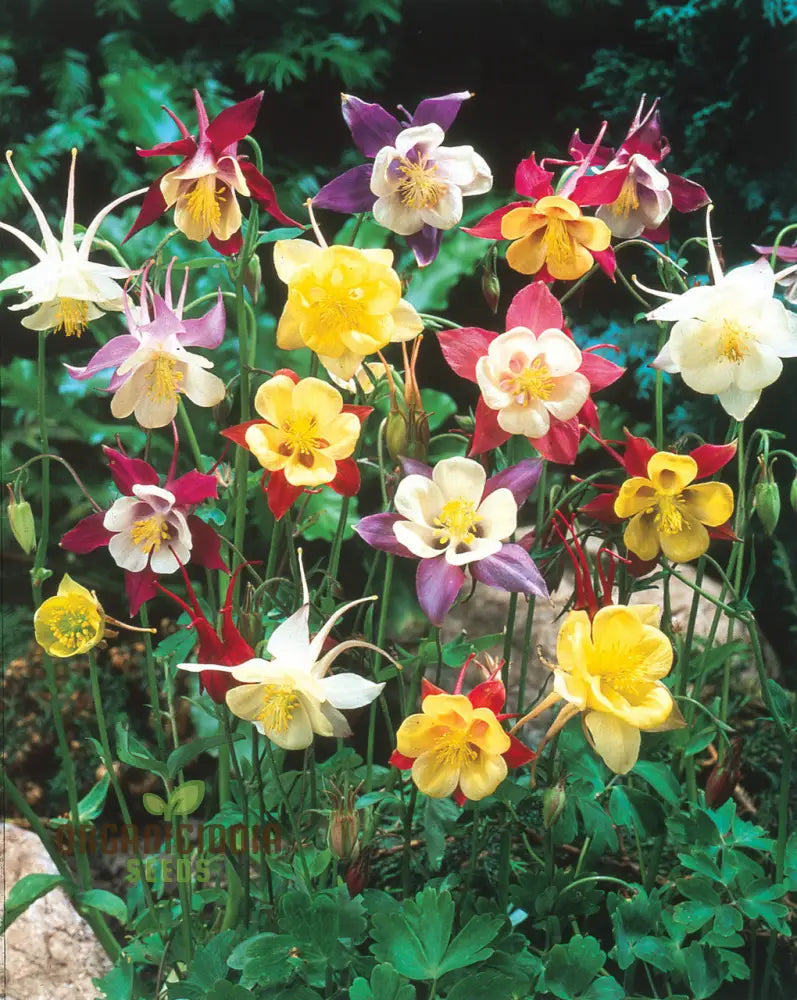
This premium mixed seed collection offers a spectrum of colors, forms, and petal styles—making it perfect for gardeners seeking diversity and charm in borders, cottage gardens, rock gardens, and naturalized settings. With reliable germination, strong growth, and long-lasting blooms, these high-quality, non-GMO seeds are ideal for both beginner and experienced gardeners.
Mixed species and cultivars for vibrant color diversity
Produces unique, spurred Columbine flowers
Excellent for spring garden displays
Ideal for borders, cottage gardens, and rock gardens
High-quality, non-GMO seeds
Attracts beneficial pollinators
Reliable germination and easy-growing habit
Perfect for shaded or partially shaded gardens
Botanical Name: Aquilegia spp.
Common Name (US): Columbine
Seed Type: High-Quality, Non-GMO
Plant Type: Perennial (short-lived; self-seeding)
Flower Colors: Mixed shades—pink, yellow, blue, white, purple, and bi-color varieties
Bloom Season: Spring to Early Summer
USDA Hardiness Zones: 3–9
Sun Exposure: Full Sun to Partial Shade
Soil Requirements: Moist, well-drained soil
Plant Height: 18–36 inches
Spacing: 12–18 inches apart
Water Requirements: Moderate; maintain consistent moisture
Germination Time: 21–30 days
Germination Needs: Best with cold stratification
Uses: Borders, woodland edges, cottage gardens, pollinator gardens
Special Notes: Self-seeds readily; allow seed heads to ripen for natural reseeding.
Refrigerate seeds for 2–3 weeks in a moist paper towel or sand-filled bag.
This improves germination significantly.
Sow seeds on the soil surface; lightly press without covering heavily.
Aquilegia seeds need light to germinate.
Ideal germination temperature: 60–70°F.
Place in bright, indirect light.
Transplant seedlings outdoors after the last frost.
Choose partially shaded areas for best growth and flower longevity.
Keep soil evenly moist but not waterlogged.
Remove spent blooms to prolong flowering.
Allow some flowers to form seed pods if natural reseeding is desired.
First-year plants may produce limited blooms.
Full flowering typically begins in the second year.
Adds diverse colors and unique flower shapes to spring gardens
Excellent for naturalized and low-maintenance landscapes
Attracts pollinators like bees and butterflies
Perfect for gardeners who enjoy botanical variety
Provides charming, cottage-style appeal
Choose options