
Free Shipping
Safe & Secure Payments
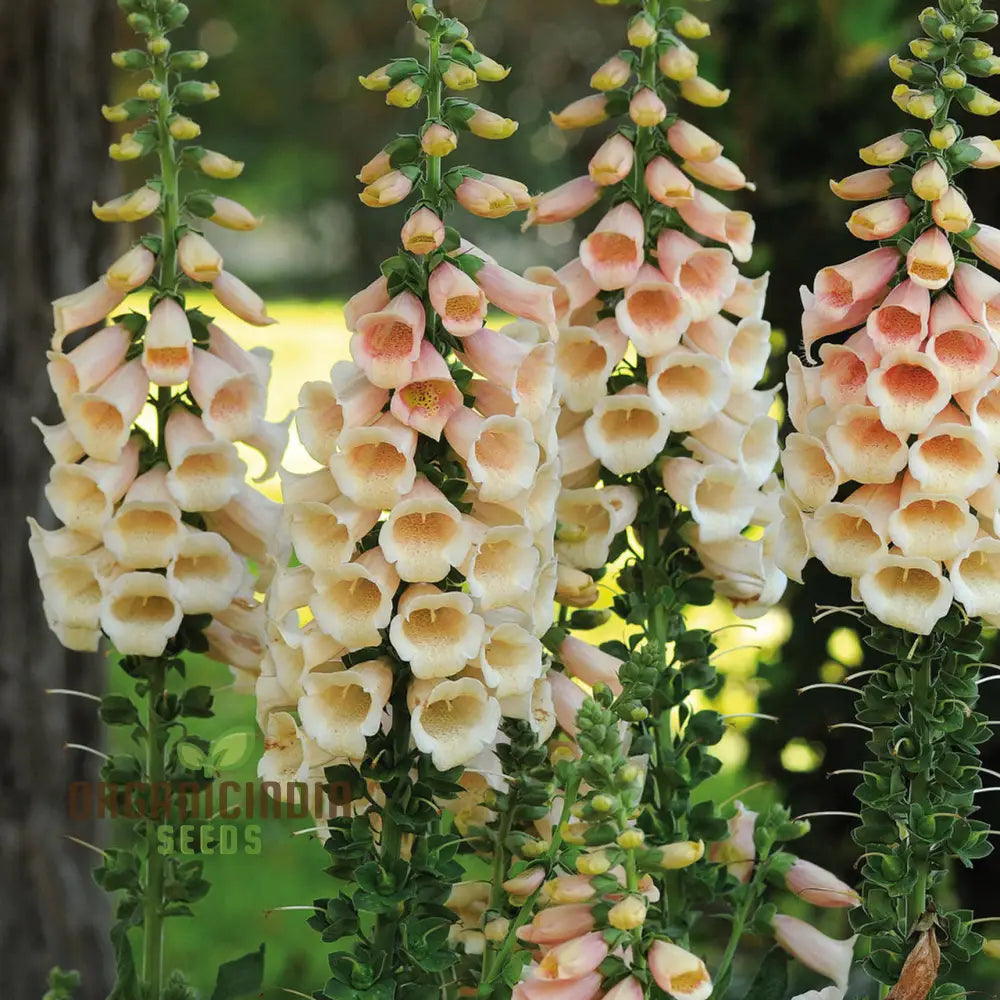
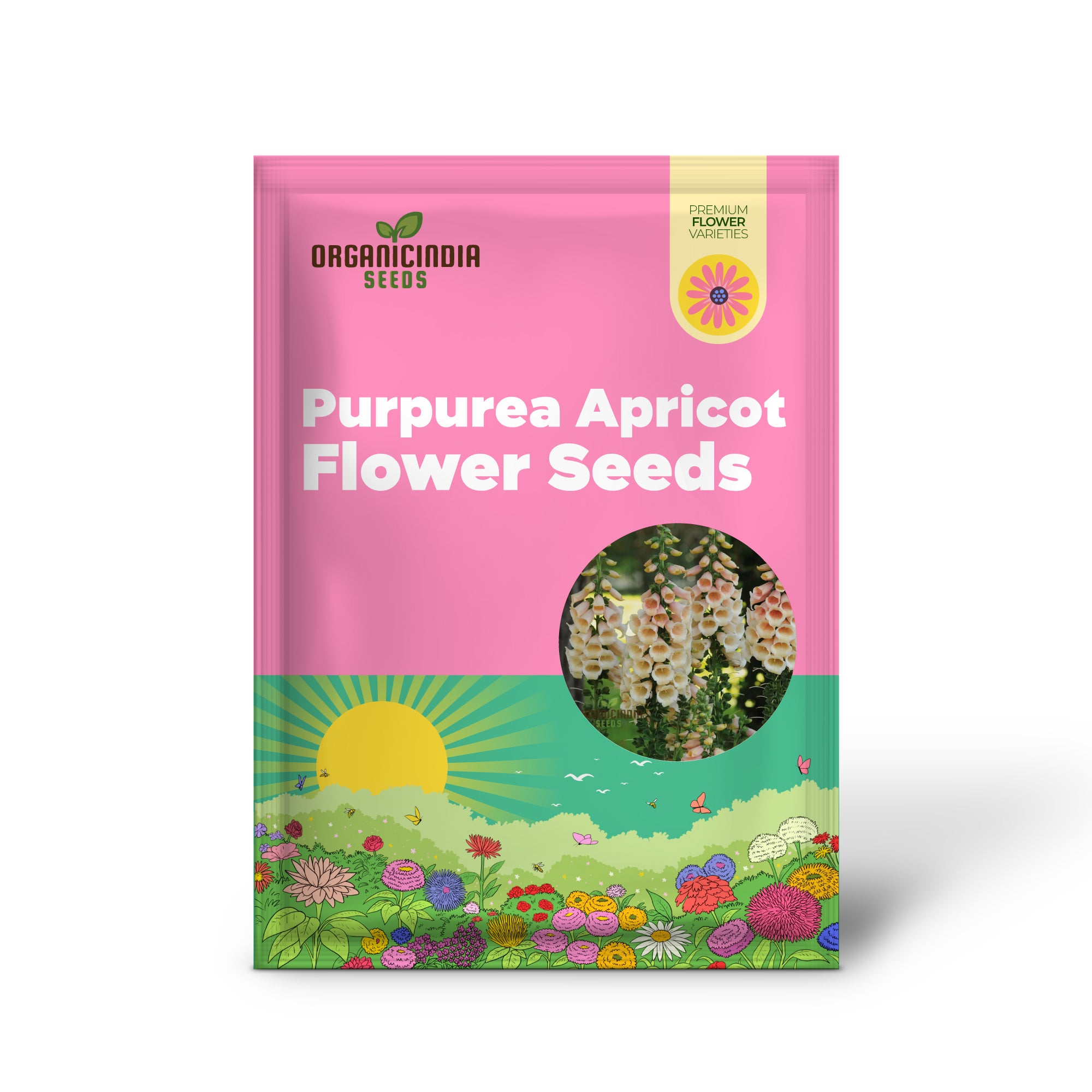
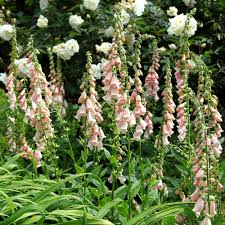
Enhance your landscape with the graceful beauty of Apricot Foxglove (Digitalis Purpurea) Flower Seeds, known for their tall spires adorned with soft apricot-colored bell-shaped blooms. This beloved biennial variety adds height, texture, and a romantic charm to garden borders, cottage gardens, and naturalistic landscapes.
Perfect for pollinator-friendly planting, these Foxglove flowers attract bees and hummingbirds, offering both ornamental value and ecological benefits. Easy to grow from seed, they thrive in partial shade or full sun and perform beautifully in cool to moderate climates.
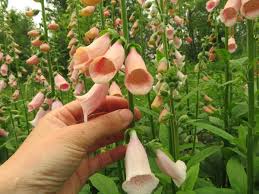
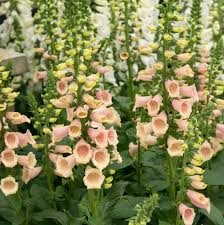
Produces tall spires of bell-shaped apricot blooms
Ideal for elegant garden borders and cottage-style landscaping
Attracts bees, pollinators, and hummingbirds
High-quality, non-GMO seeds
Reliable germination and beginner-friendly
Excellent for creating vertical structure in gardens
Soft apricot color complements mixed flower beds
Botanical Name: Digitalis purpurea
Common Name: Foxglove
Plant Type: Biennial (sometimes short-lived perennial in ideal climates)
Seed Type: High-Quality, Non-GMO
Bloom Color: Apricot, Peach-Toned
Bloom Season: Late Spring to Mid-Summer
USDA Hardiness Zones: 4–9
Sun Exposure: Partial Shade to Full Sun
Soil Requirements: Moist, well-drained, humus-rich soil
Plant Height: 36–60 inches
Spacing: 12–18 inches apart
Water Requirements: Moderate, keep soil slightly moist
Germination Time: 14–21 days
Optimal Germination Temperature: 60–70°F
Uses: Borders, cottage gardens, woodland edges, pollinator habitats
Special Notes:
Flowers typically occur in the second year (biennial life cycle).
Removing spent blooms encourages self-seeding.
Wear gloves when handling plants to avoid skin irritation.
Safe for ornamental use and pollinator support in managed gardens.
Start seeds 8–10 weeks before the last frost date.
Lightly press seeds on the soil surface; do not cover, as they require light to germinate.
Maintain temperatures between 60–70°F.
Provide bright indirect light or grow lights.
Transplant when seedlings have at least 2–3 true leaves.
Choose a spot with partial shade or filtered sunlight.
Plant after the danger of frost has passed.
Sow seeds directly in early summer for next-year blooms.
Lightly tamp the seeds into the soil surface.
Keep soil consistently moist but avoid waterlogging.
Mulch to maintain soil moisture.
Allow plants to self-seed naturally for repeat blooms in future years.
Adds elegant height and structure to gardens
Perfect for pollinator-friendly landscapes
Soft apricot blooms blend beautifully with pastel garden themes
Ideal for naturalistic and cottage-style garden designs
Excellent for enhancing garden biodiversity
Choose options