
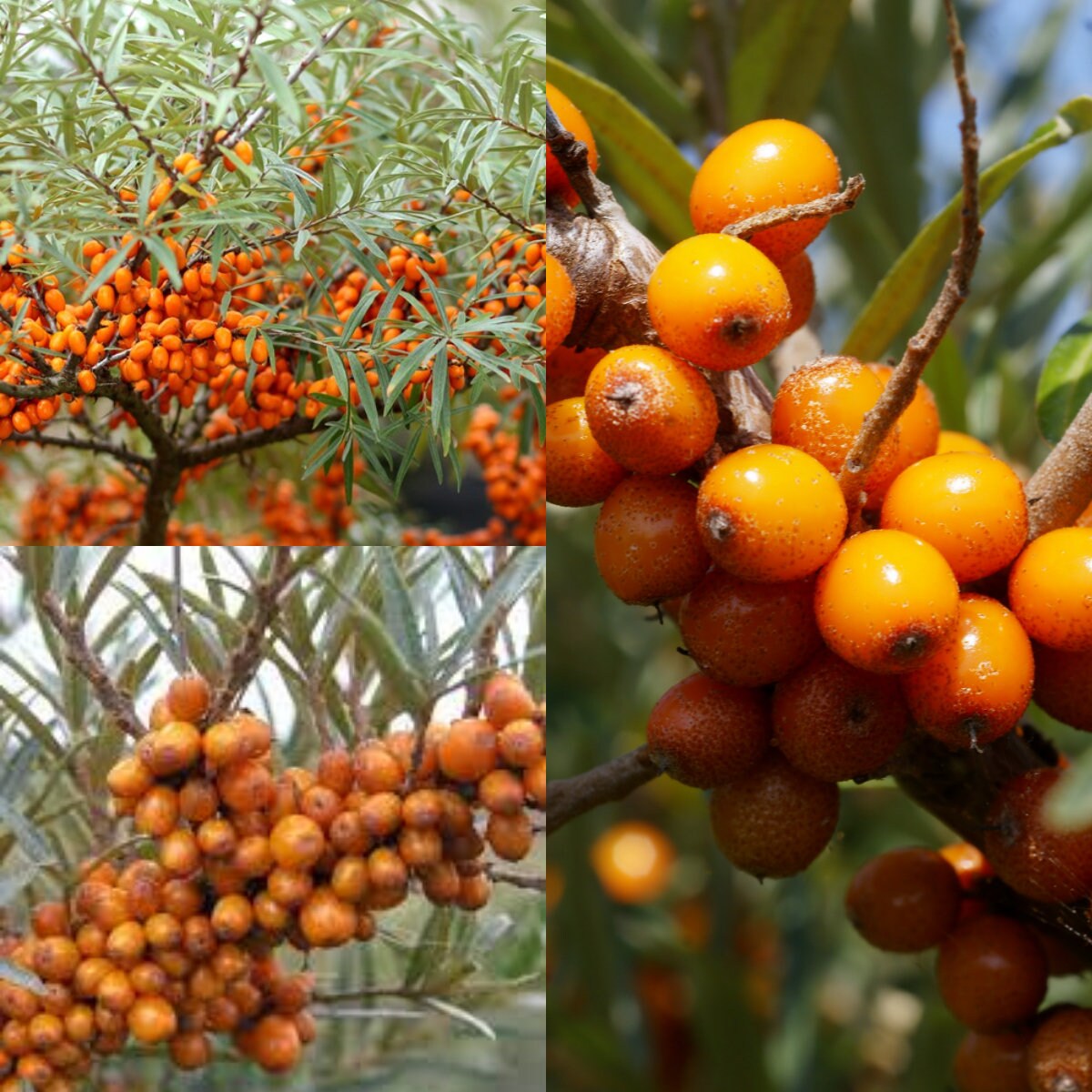
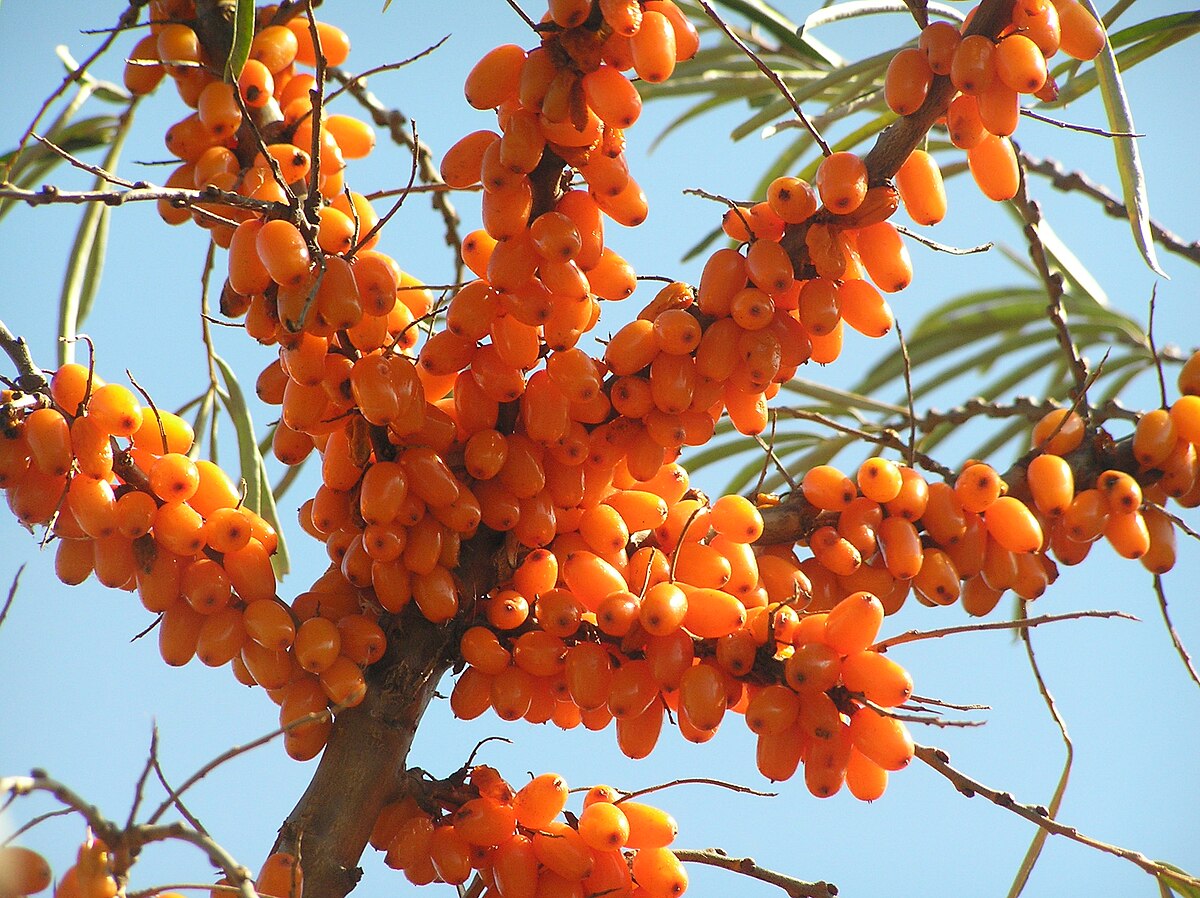
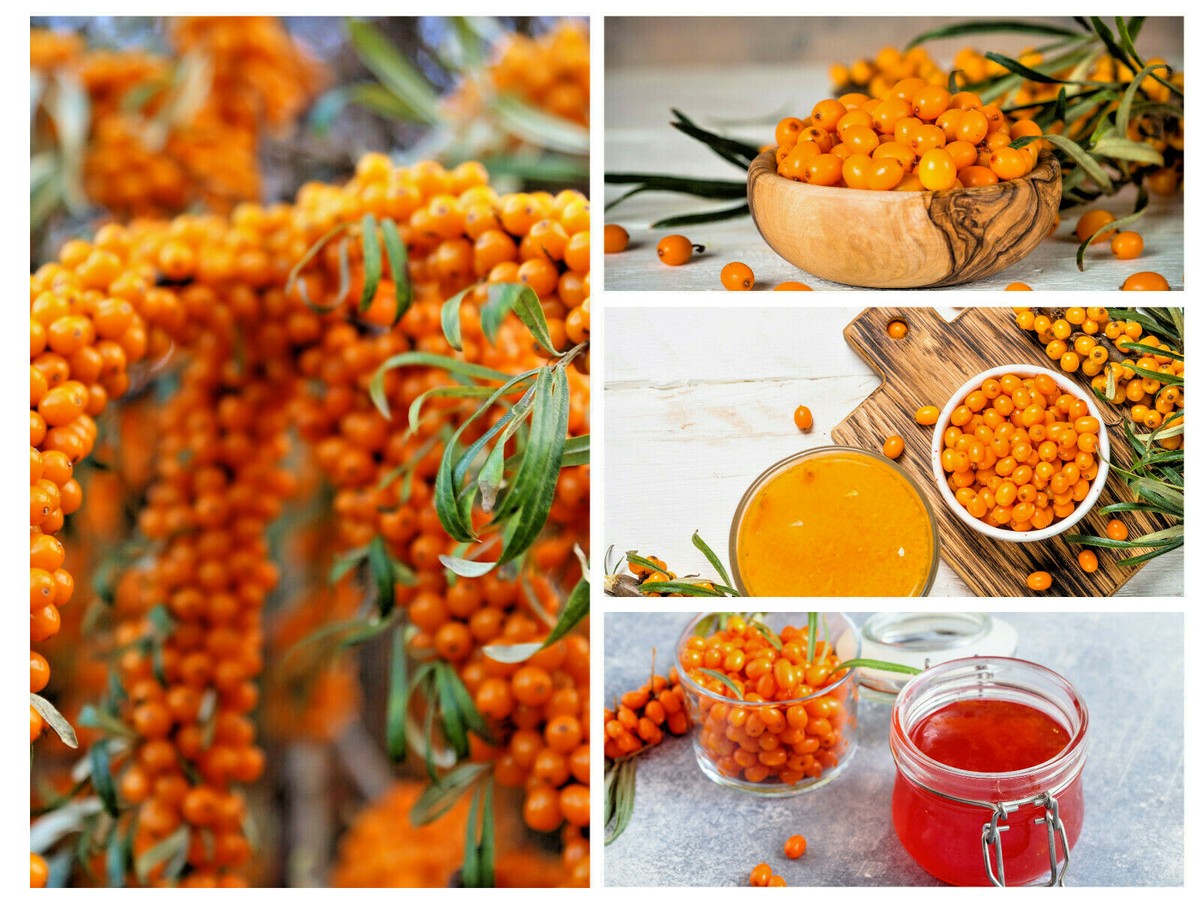
Bring the beauty and health benefits of Seaberry (Sea Buckthorn, Hippophae rhamnoides) to your home garden with these premium Non-GMO Seaberry Fruit Seeds. Known for their bright orange, nutrient-rich berries and resilient growth, Seaberry plants thrive even in poor soils and cold climates.
This hardy, fast-growing shrub not only enhances your garden’s appeal with its silvery-green foliage but also produces vitamin-rich berries packed with natural antioxidants and essential fatty acids. Ideal for hedges, borders, and edible landscaping, Seaberry is both ornamental and productive, making it a favorite among home gardeners and permaculture enthusiasts.
Premium-quality Non-GMO Seaberry (Sea Buckthorn) Seeds
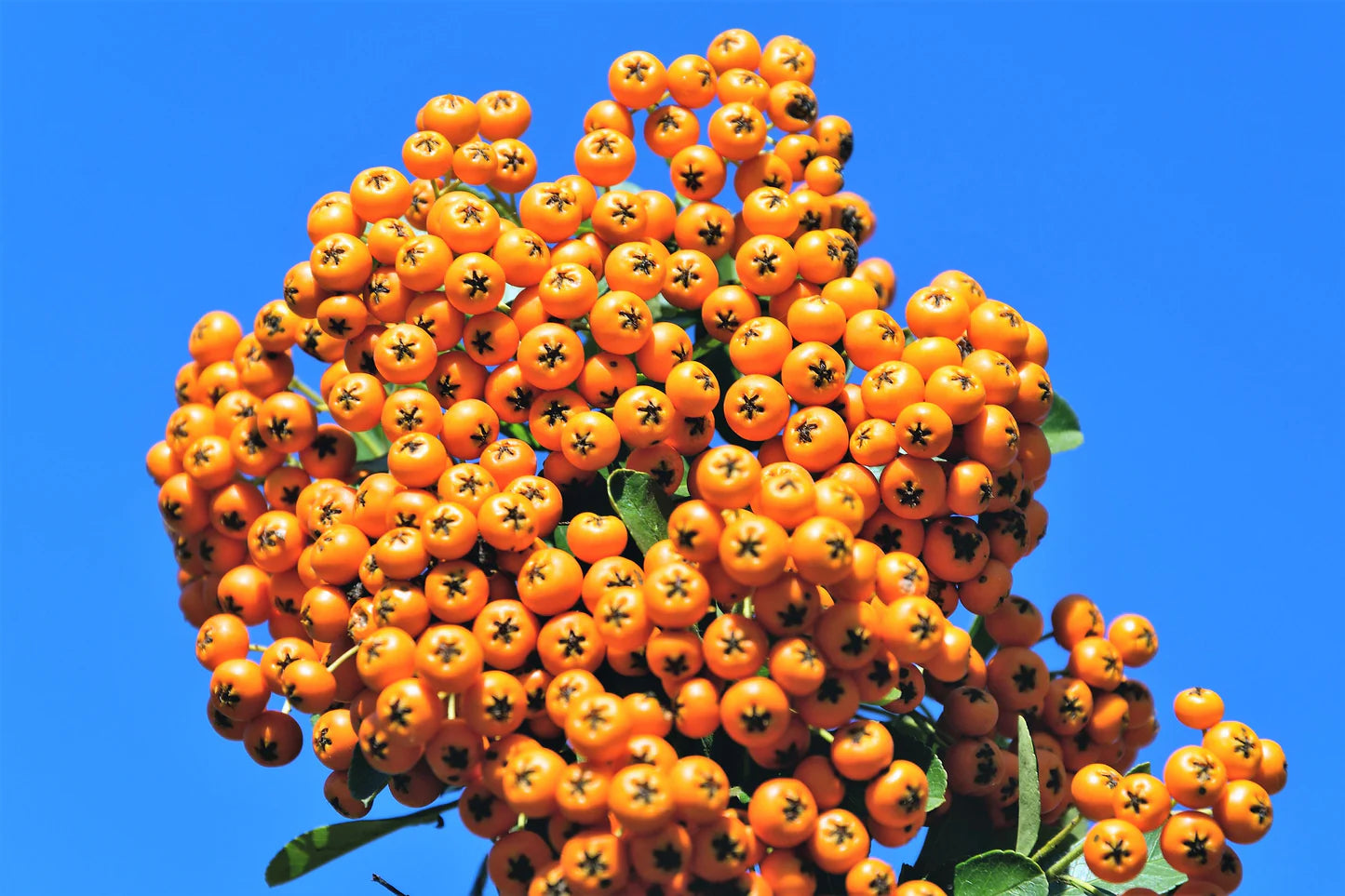
Produces bright orange, nutrient-rich fruits
Hardy, drought-tolerant shrub ideal for various soils
Rich in vitamins, antioxidants, and omega fatty acids
Thrives in cold climates and coastal regions
Perfect for hedges, windbreaks, and edible gardens
Attracts pollinators and supports biodiversity
Low-maintenance and long-living perennial plant
Common Name: Seaberry, Sea Buckthorn
Scientific Name: Hippophae rhamnoides
Plant Type: Deciduous shrub
Growth Habit: Upright, bushy
Mature Height: 6–18 ft (2–5.5 m)
Fruit Color: Bright orange
Fruit Shape: Round, small berries
Flavor: Tart and aromatic
Bloom Time: Spring
Harvest Season: Late summer to fall
USDA Hardiness Zones: 3–8
Sun Exposure: Full sun
Soil Type: Well-drained sandy or loamy soil
Soil pH: 5.5–7.5
Watering: Moderate; drought-tolerant once established
Temperature Range: Cold-hardy to -40°F (-40°C)
Season for Planting: Early spring or fall
Germination Time: 3–6 weeks
Plant Spacing: 3–6 ft apart
Pollination: Dioecious (requires male and female plants for fruiting)
GMO Status: Non-GMO
Organic Status: Naturally grown (non-certified)
Soak seeds in warm water for 24 hours before planting.
Sow seeds ¼ inch deep in a well-draining soil mix.
Keep soil moist but not soggy; maintain 65–75°F (18–24°C).
Germination occurs within 3–6 weeks.
Transplant seedlings outdoors after the last frost.
Choose a sunny spot with well-drained soil.
Water regularly during early growth; reduce once established.
For fruit production, plant both male and female plants.
Choose options