

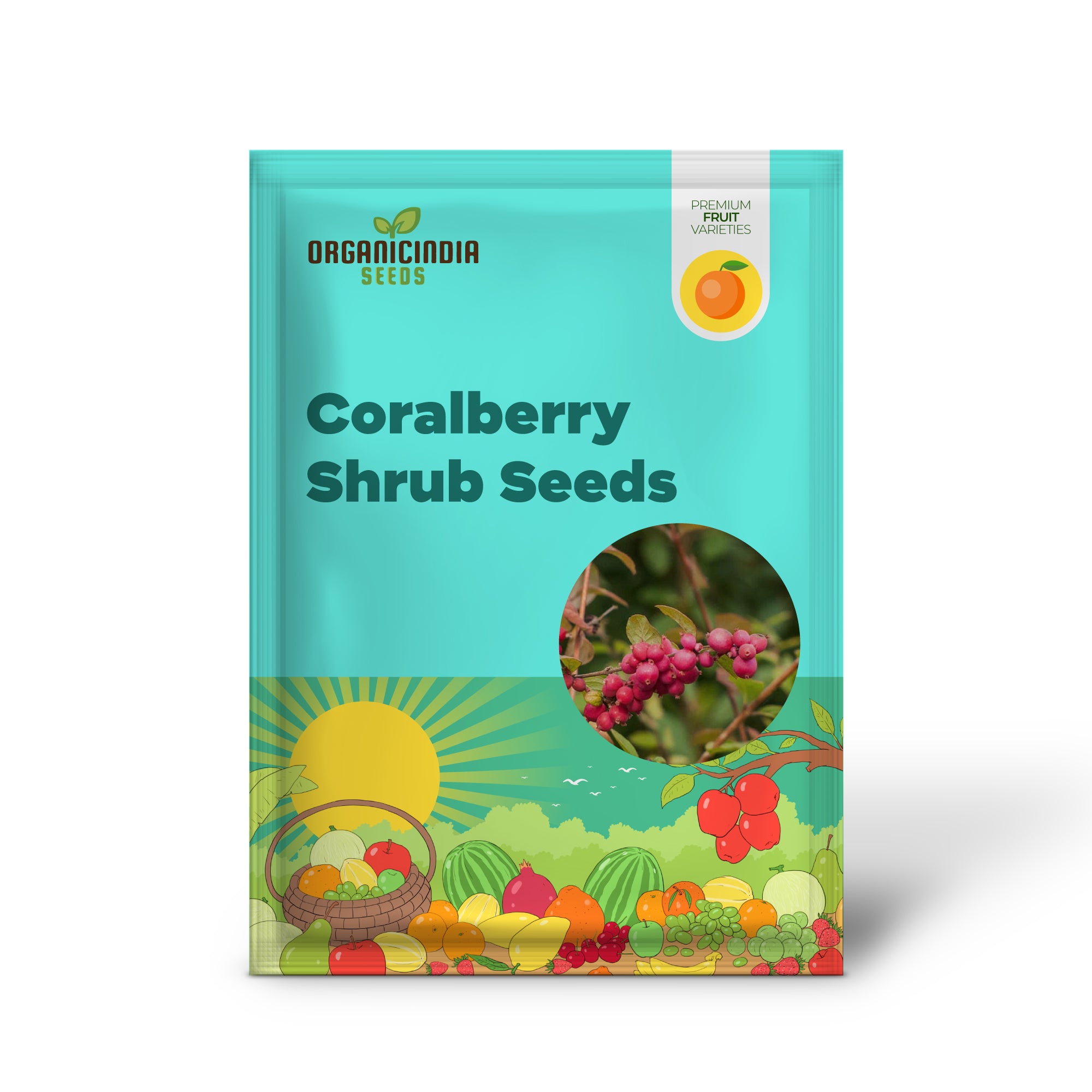
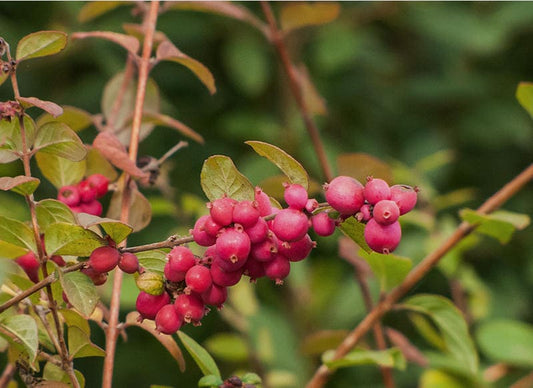

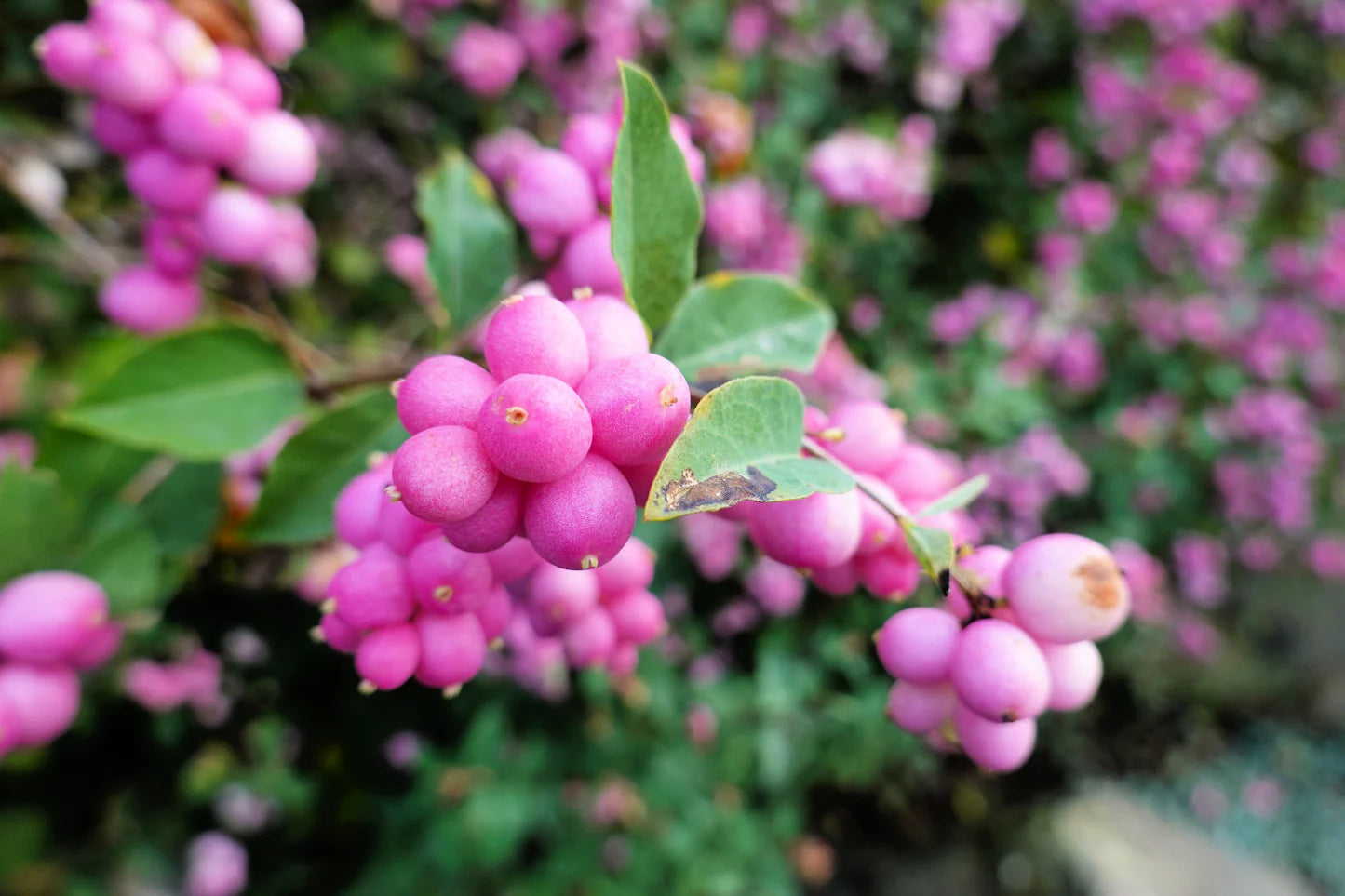
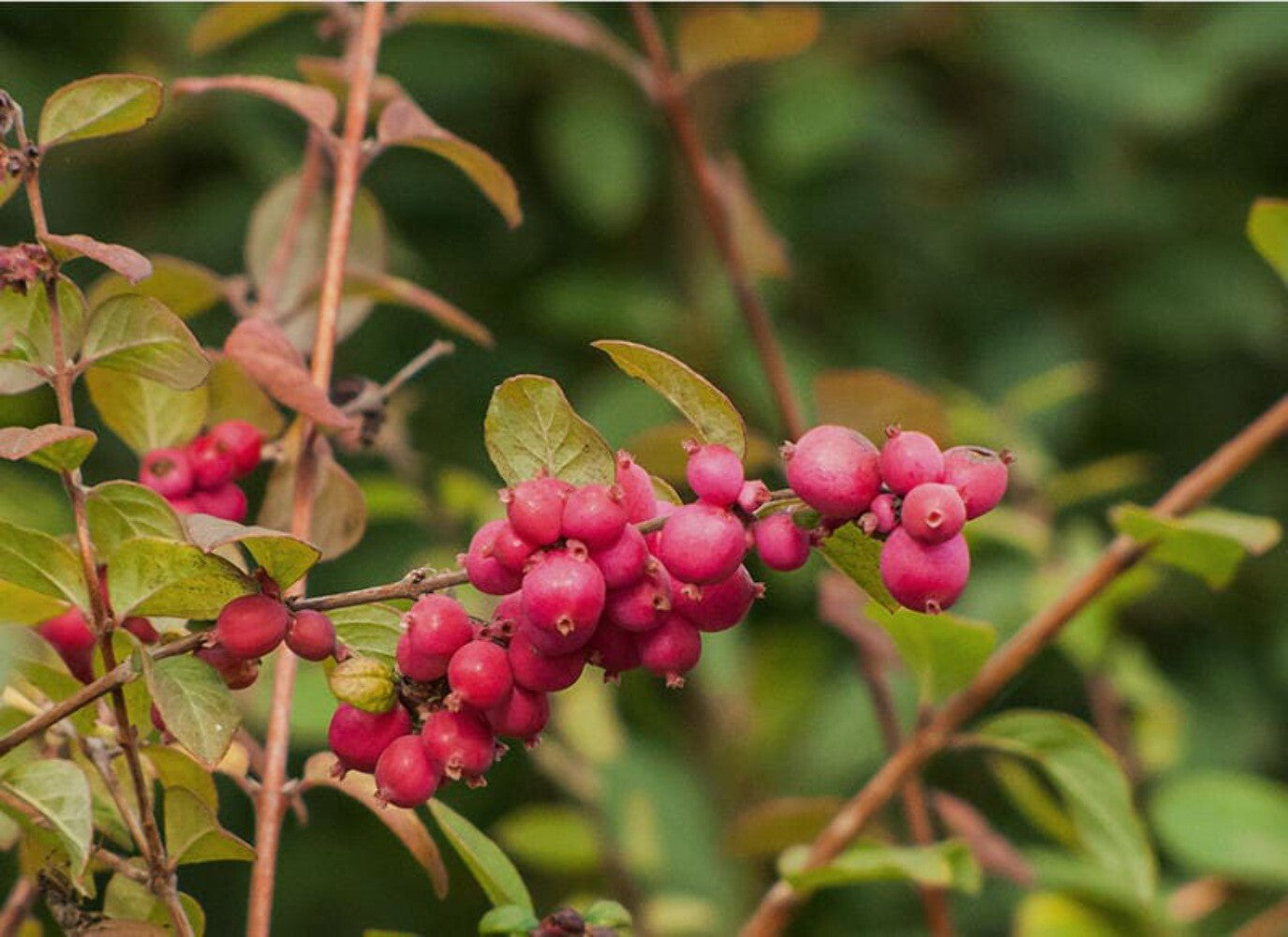
Add year-round color and wildlife appeal to your garden with Coralberry Shrub Seeds (Symphoricarpos orbiculatus). Also known as Buckbrush or Indian Currant, Coralberry is a hardy deciduous shrub native to North America. It’s prized for its clusters of coral-pink berries that persist through winter and attract birds, bees, and butterflies. The plant thrives in diverse soils, tolerates shade, and is ideal for naturalizing, erosion control, or creating beautiful hedgerows.
Vibrant Ornamental Berries: Pink to red berries add color throughout fall and winter.
Wildlife-Friendly: Attracts pollinators, birds, and beneficial insects.
Hardy & Low Maintenance: Grows well in varied soils and light conditions.
Erosion Control Plant: Dense roots help stabilize soil on slopes.
Native North American Species: Perfect for eco-friendly landscaping.
Botanical Name: Symphoricarpos orbiculatus
Common Name: Coralberry, Buckbrush, Indian Currant
Seed Type: Non-GMO Ornamental Shrub Seeds
Growth Habit: Deciduous, spreading shrub
USDA Hardiness Zones: 3–9
Sun Exposure: Full sun to partial shade
Soil Type: Moist, well-drained to moderately dry soils
Soil pH: 6.0–8.0
Watering Needs: Moderate; drought-tolerant once established
Germination Time: 30–90 days (cold stratification recommended)
Maturity Period: 2–3 years to full shrub form
Planting Season: Fall or spring (post-stratification)
Planting Depth: 1/4 inch (0.6 cm)
Spacing: 3–5 feet apart
Temperature for Germination: 40–70°F (4–21°C)
Plant Height: 3–6 feet (90–180 cm)
Flower Color: Pale pink to white
Berry Color: Pink-red, long-lasting
Pollination: Self-pollinating
Uses: Ornamental landscaping, wildlife gardening, erosion control, hedges
Cold stratify seeds by placing them in moist sand or peat moss and refrigerating for 60–90 days.
After stratification, sow seeds 1/4 inch deep in well-drained soil.
Keep the soil moist and place in a sunny or partially shaded area.
Transplant seedlings once they are strong enough to handle.
Space plants 3–5 feet apart for hedges or naturalized plantings.
Water regularly during the first growing season; once established, water only during dry spells.
Prune lightly in late winter to maintain shape and encourage berry production.
Choose options