
Free Shipping
Safe & Secure Payments
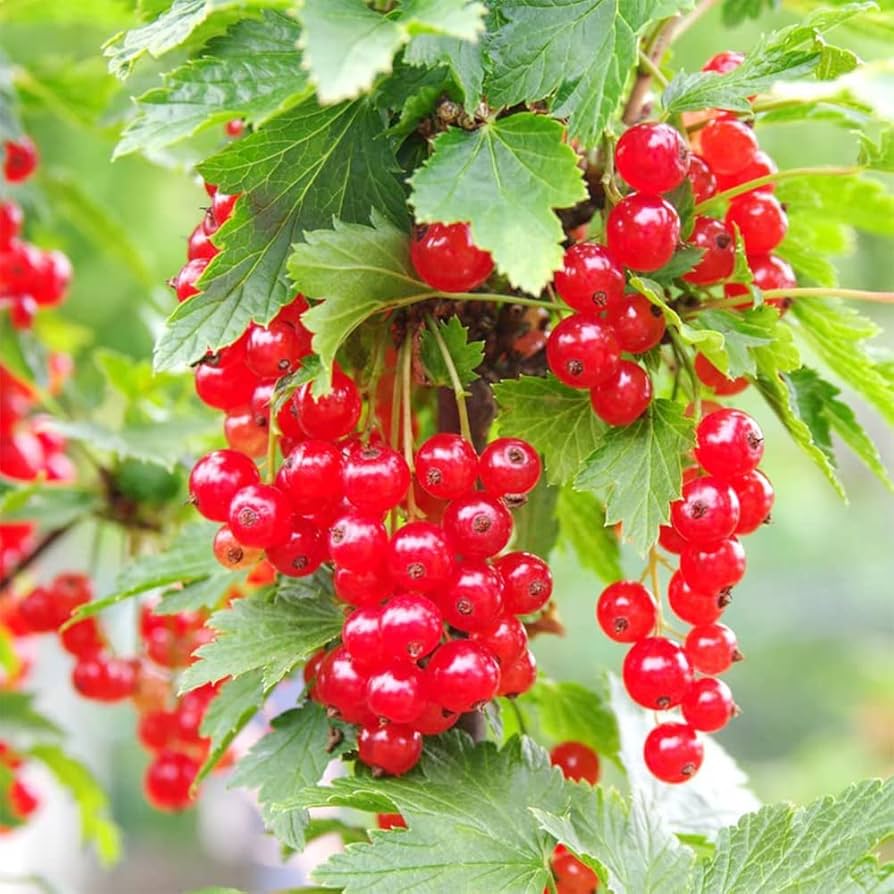
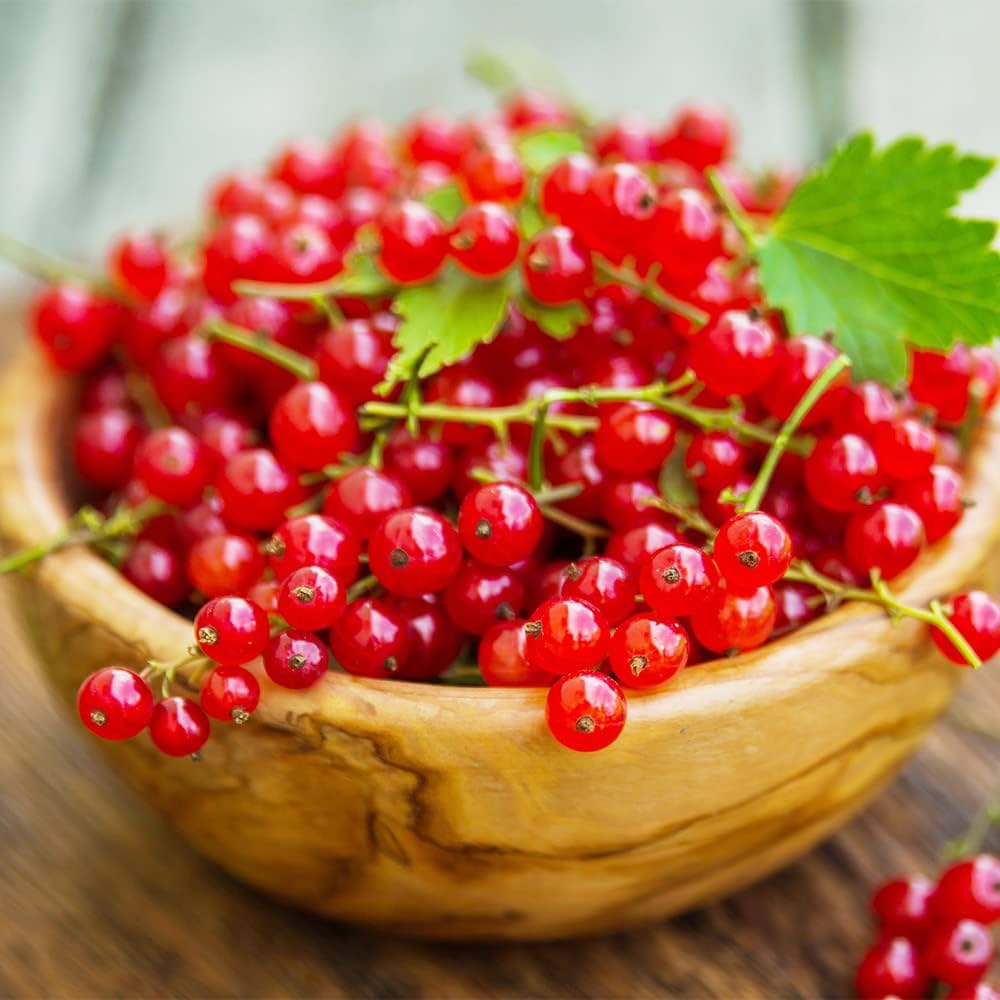
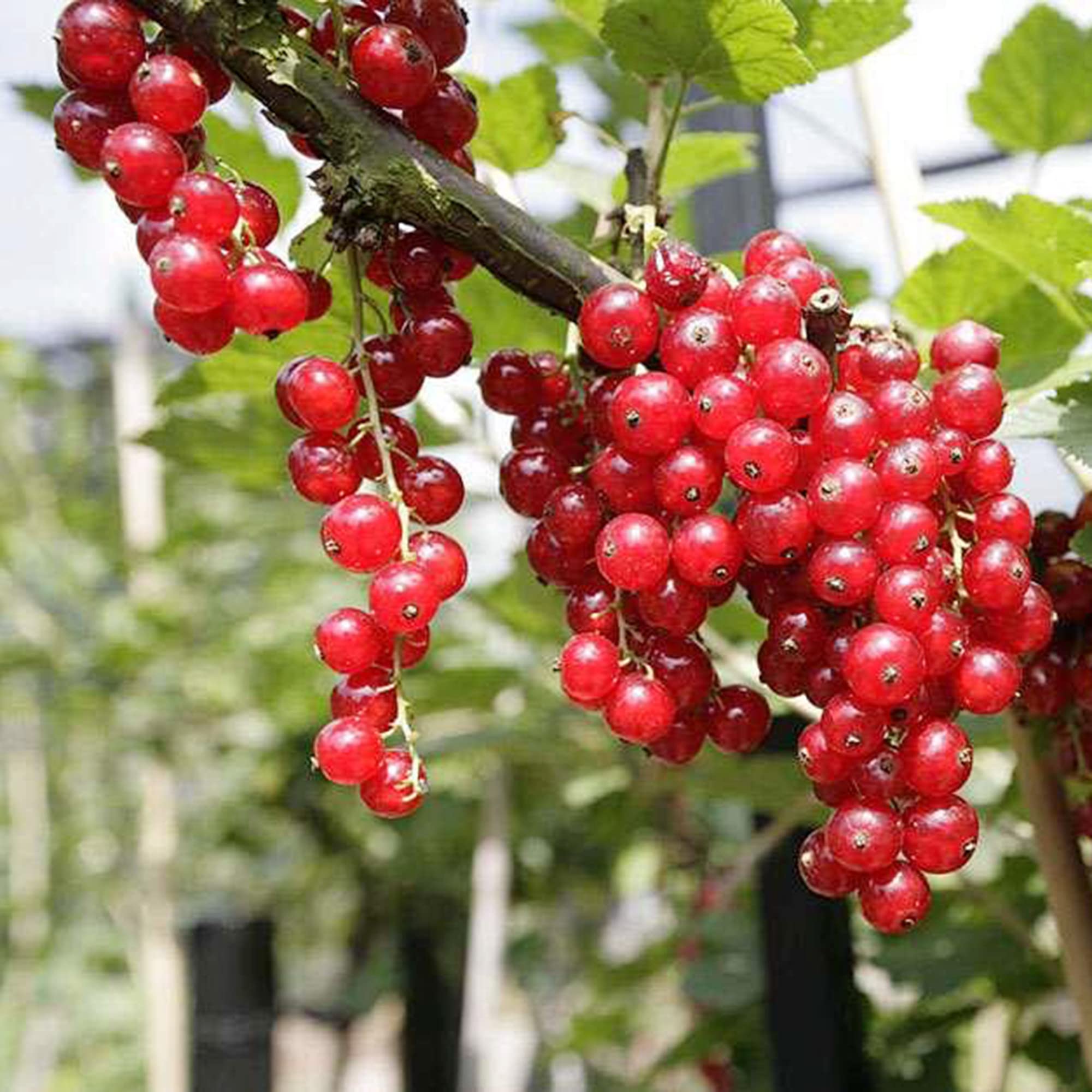
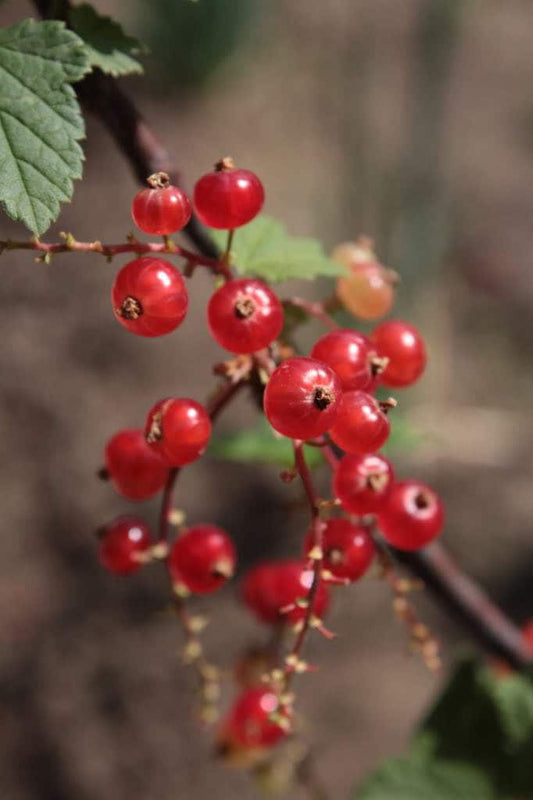
The Red Wax Currant (Ribes cereum) is a beautiful, fruit-bearing shrub native to North America, valued for its bright red, waxy berries and hardy growth. Grown from non-GMO seeds, this currant variety is both ornamental and productive—offering edible fruits rich in vitamin C and a stunning display of color throughout the season. It’s perfect for gardeners seeking a low-maintenance, pollinator-friendly shrub that thrives in diverse conditions.
Edible Red Berries: Produces sweet-tart fruits perfect for fresh use or preserves.
Non-GMO & Natural: Untreated seeds for healthy and chemical-free cultivation.
Attractive Shrub: Adds bright color and structure to garden landscapes.
Drought Tolerant: Excellent performance in dry, rocky soils.
Pollinator Friendly: Attracts bees, birds, and butterflies.
Cold Hardy: Thrives in cooler climates and higher elevations.
Scientific Name: Ribes cereum
Common Name (U.S.): Red Wax Currant
Seed Type: Non-GMO, Open-Pollinated
Plant Type: Deciduous Shrub
Mature Height: 3–6 feet
Spread: 3–5 feet
Fruit Type: Small round clusters of red, waxy berries
Fruit Flavor: Mildly sweet to tart
Sunlight Requirement: Full Sun to Partial Shade
Soil Type: Well-drained sandy or loamy soil
Soil pH: 6.0–7.5
Watering Needs: Low to moderate (drought-tolerant once established)
Temperature Range: 50°F–90°F (10°C–32°C)
USDA Hardiness Zones: 4–9
Days to Germination: 30–60 days (requires cold stratification)
Days to Maturity: 120–150 days after establishment
Spacing: 4–6 feet apart
Pollination: Self-fertile; benefits from cross-pollination
Organic Status: Non-GMO
Special Traits: Cold-hardy, pollinator-friendly, ornamental
Cold Stratification: Refrigerate seeds in moist sand for 60 days before planting.
Sowing Depth: Plant ¼ inch deep in well-drained seed-starting mix.
Temperature: Keep at 65°F–70°F for germination after stratification.
Light: Provide full sun or partial shade.
Transplanting: Move seedlings outdoors after frost has passed.
Watering: Water regularly until established, then reduce frequency.
Soil Preparation: Add organic compost to improve fertility and drainage.
Fertilizing: Apply balanced fertilizer once during early spring.
Harvesting: Pick berries when they turn deep red and glossy.
Choose options