
Free Shipping
Safe & Secure Payments
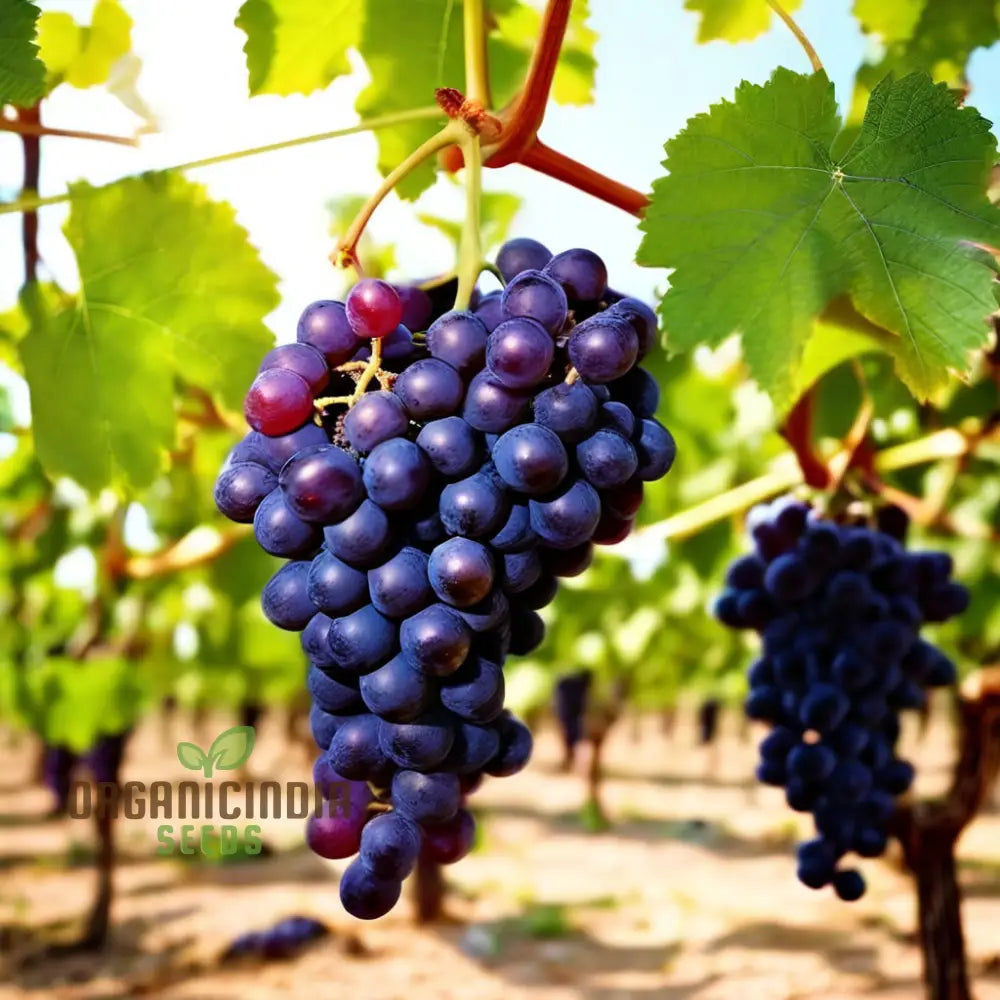
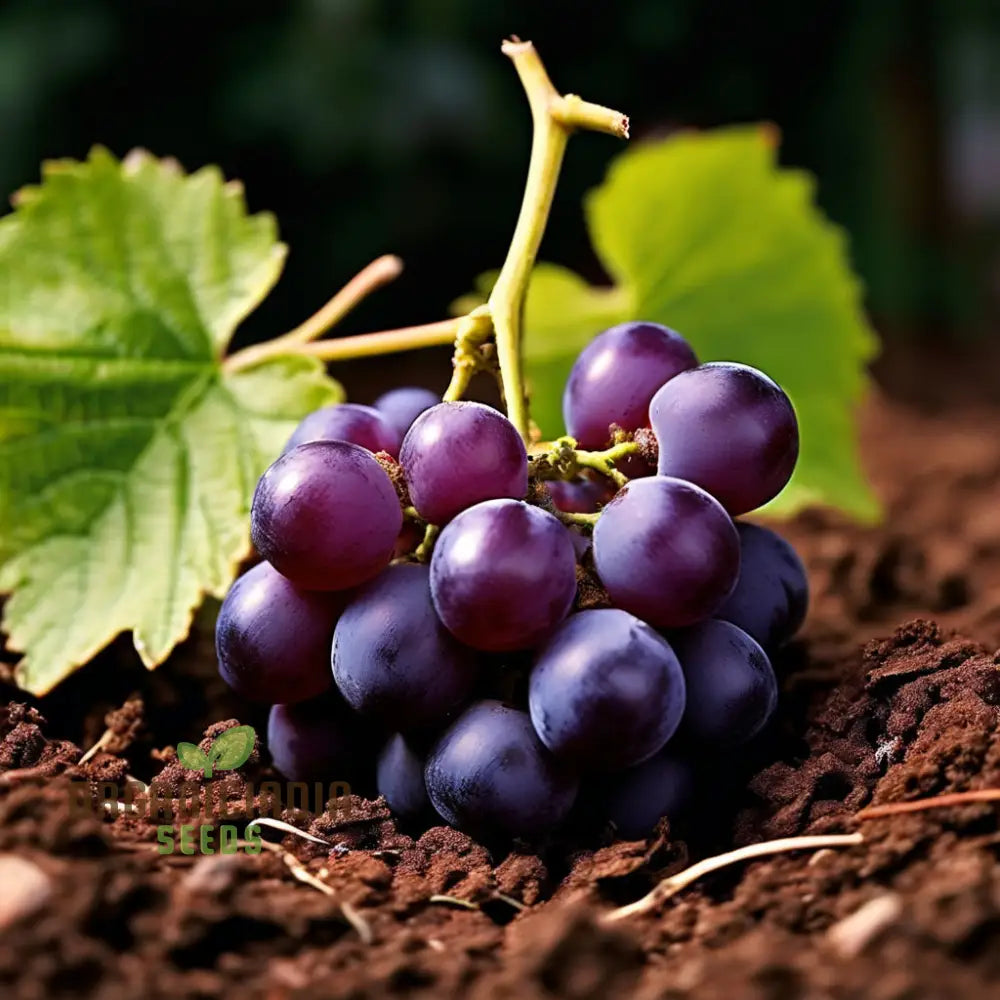
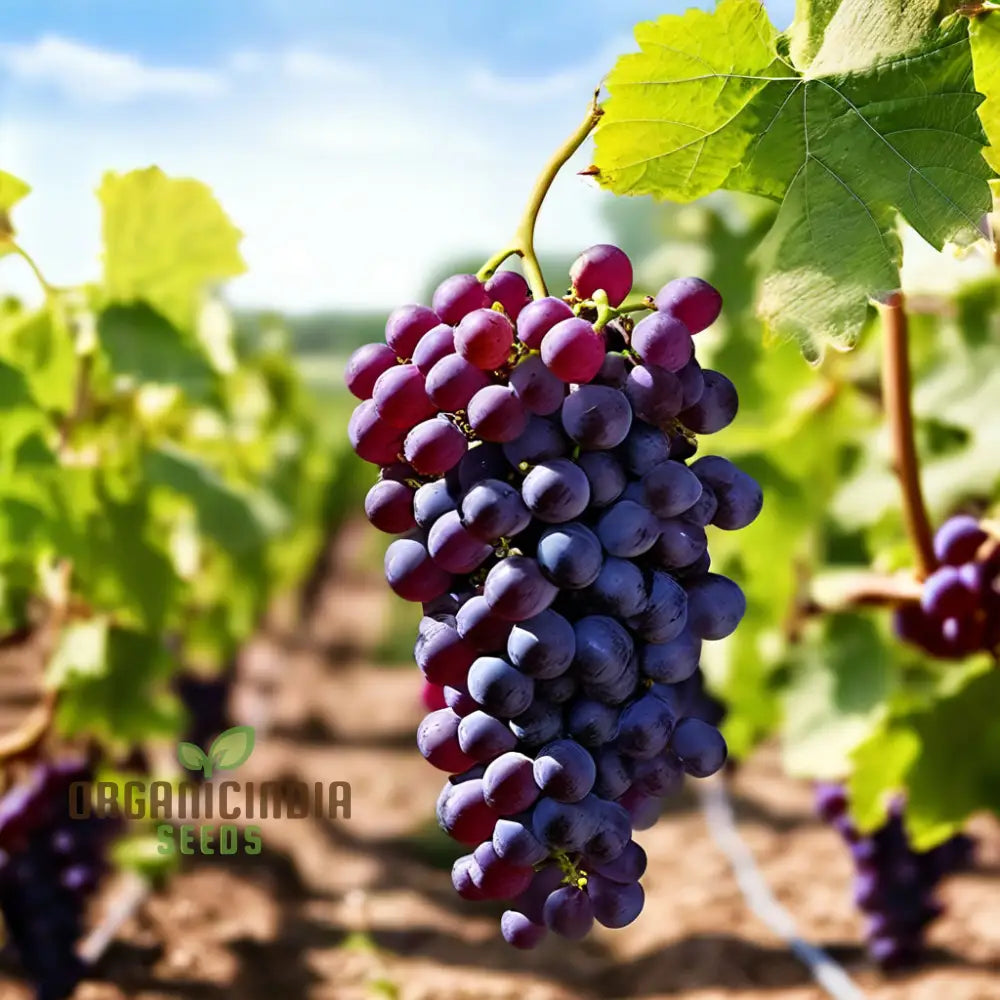
Experience the luxury of Japan’s most sought-after grape variety with Ruby Roman Grape Seeds. Celebrated for their stunning ruby-red color, large size, and exceptionally sweet flavor, Ruby Roman grapes are a symbol of premium quality. Perfect for home gardeners and vineyard enthusiasts, these seeds produce vigorous vines that thrive in sunny, well-drained soils—yielding clusters of exquisite grapes ideal for eating fresh or making juices and wines.
Premium Grape Variety: Produces the world-renowned Ruby Roman grapes known for their sweetness and size.
High Germination Rate: Fresh, Non-GMO seeds for strong, healthy vines.
Beautiful Clusters: Vibrant red grape clusters with glossy skin and juicy texture.
Adaptable Growth: Suitable for trellises, arbors, and vineyards.
Perfect for Home Gardens: Ideal for both ornamental and fruit production.
Botanical Name: Vitis vinifera ‘Ruby Roman’
Common Name: Ruby Roman Grape
Seed Type: Non-GMO, Heirloom Variety
Growth Habit: Perennial climbing vine
USDA Hardiness Zones: 6–9
Sun Exposure: Full sun (6–8 hours daily)
Soil Type: Well-drained, loamy soil enriched with organic matter
Soil pH: 6.0–7.5
Watering Needs: Moderate; prefers evenly moist soil
Germination Time: 21–35 days
Maturity Period: 2–3 years to fruit-bearing stage
Planting Season: Late winter to early spring
Planting Depth: 0.5 inch (1.25 cm)
Spacing: 6–10 feet apart for proper vine growth
Temperature for Germination: 70–85°F (21–29°C)
Pruning: Annual pruning promotes better fruit yield
Pollination: Self-fertile, but benefits from cross-pollination
Harvest Season: Late summer to early autumn
Uses: Fresh consumption, winemaking, desserts, juices
Stratify seeds by chilling in moist peat or sand at 35–40°F (2–4°C) for 8–12 weeks.
After stratification, plant seeds 0.5 inch deep in seed-starting mix.
Keep soil moist and warm during germination.
Transplant seedlings outdoors after the last frost in full sun.
Train vines on trellises or supports for optimal growth and fruiting.
Water regularly, especially during dry periods, and prune annually for healthy yields.
Choose options