
Free Shipping
Safe & Secure Payments
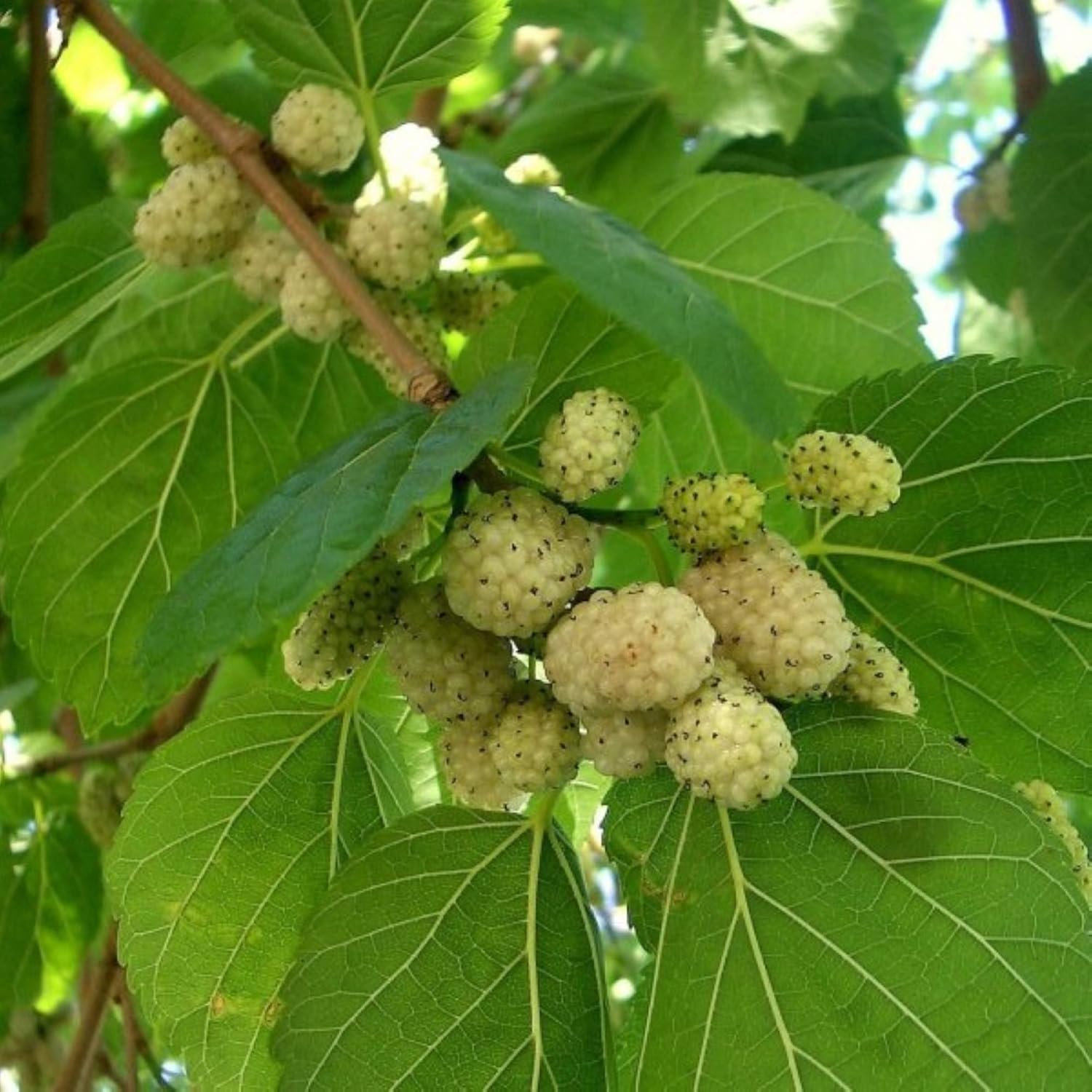
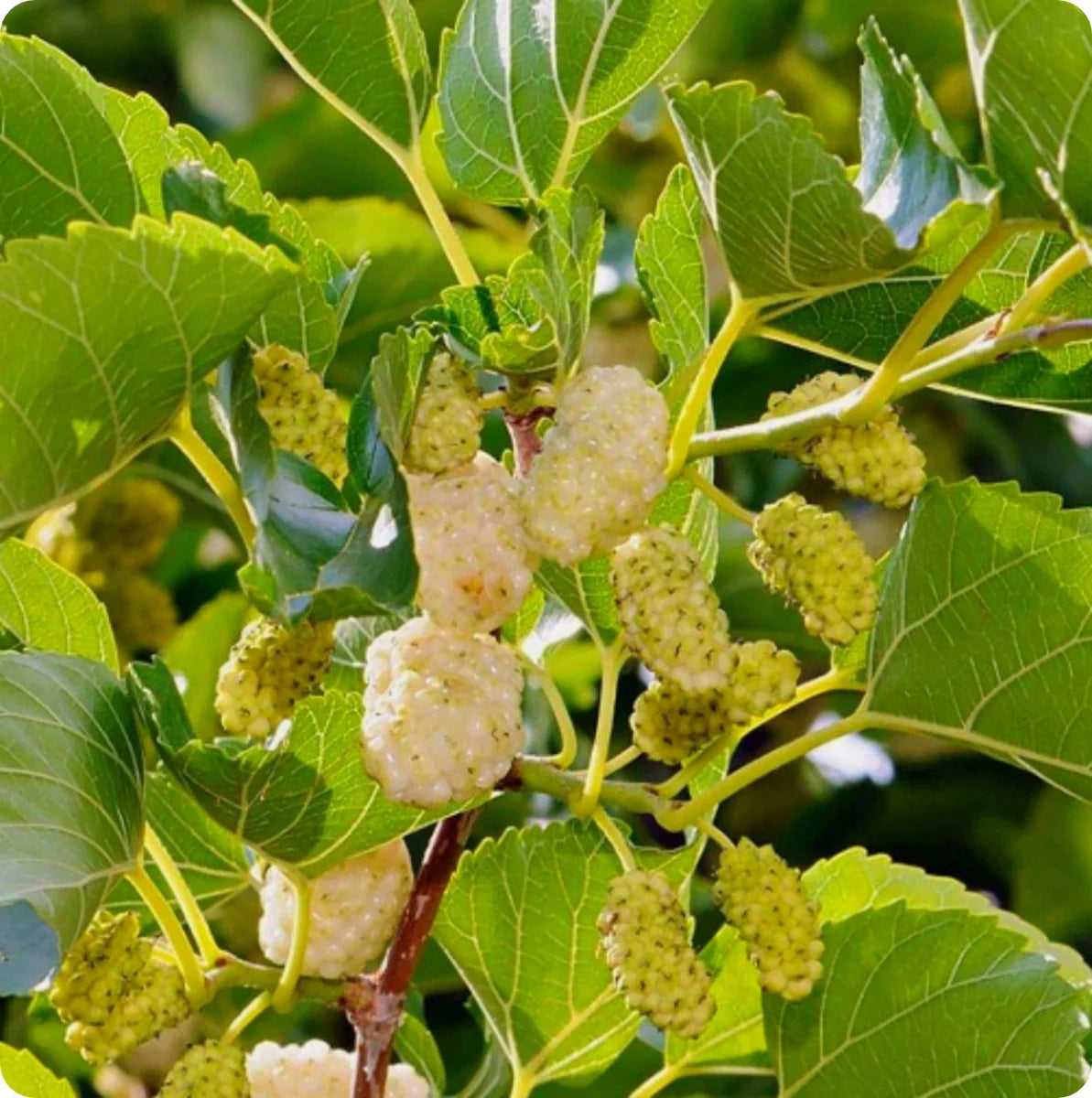
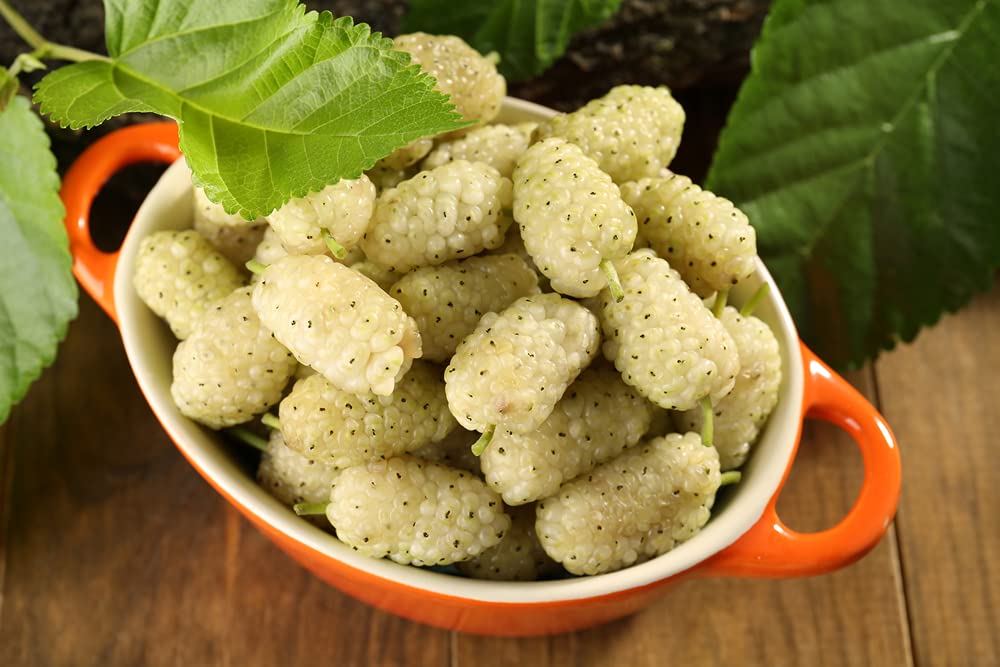
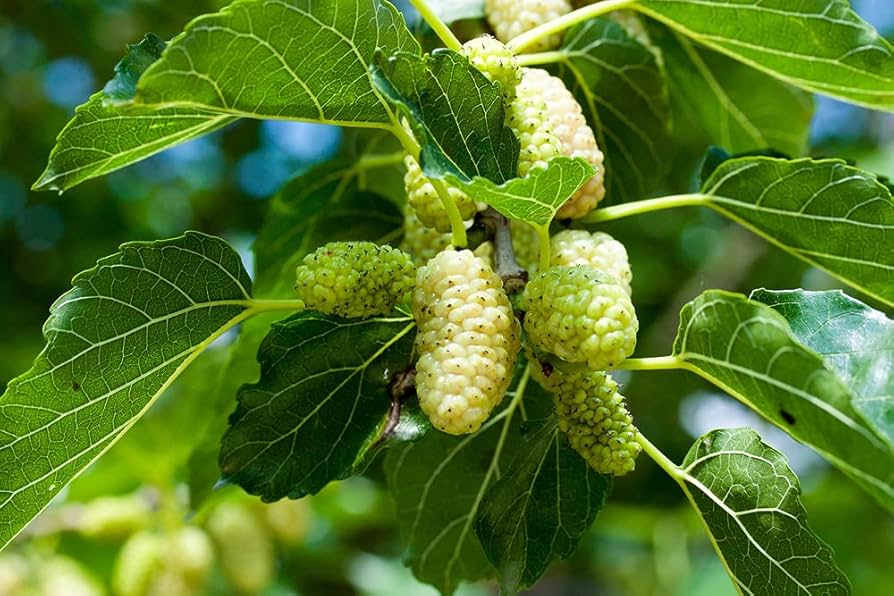
High-Yield Fruit Tree: Produces clusters of sweet, white to light pink mulberries enjoyed fresh or dried.
Fast-Growing & Hardy: Adapts well to various soils and climates, thriving even in poor conditions.
Shade & Ornamental Value: Dense foliage makes it an excellent choice for shade or windbreak planting.
Non-GMO & Untreated Seeds: Naturally grown, free from chemicals and genetic modification.
Wildlife Friendly: Fruits attract birds and pollinators, enhancing ecological balance.
Drought-Tolerant & Low Maintenance: Once established, requires minimal watering and care.
Scientific Name: Morus alba
Common Name (US): Russian Mulberry / White Mulberry
Plant Type: Deciduous Fruit Tree
Growth Height: 30–50 feet (9–15 m)
USDA Hardiness Zones: 4–9
Sun Exposure: Full Sun to Partial Shade
Soil Type: Well-drained loamy, sandy, or clay soil
Water Requirements: Low to Moderate
Bloom Season: Spring (small greenish flowers)
Fruit Season: Early to Mid-Summer (white to pink berries)
Seed Type: Non-GMO, Heirloom Quality
Temperature for Germination: 68–77°F (20–25°C)
Germination Time: 20–30 days
Planting Depth: ¼ inch (6 mm)
Spacing: 15–25 feet apart
Lifespan: Long-lived perennial tree
Pollination: Self-fertile but higher yield with cross-pollination
Uses: Fruit production, shade tree, erosion control, and ornamental landscaping
Seed Preparation: Stratify seeds by refrigerating them in moist sand for 3–4 weeks before sowing.
Sowing: Sow ¼ inch deep in well-drained soil; keep moist until germination.
Light & Temperature: Provide bright sunlight and maintain a temperature around 70°F (21°C).
Transplanting: Move seedlings outdoors after frost danger passes, spacing them 15–25 feet apart.
Watering: Water regularly during establishment; reduce watering once roots develop.
Soil & Fertilizer: Grows best in loamy soil enriched with organic compost.
Maintenance: Prune annually in winter to shape and control size.
Choose options