
Free Shipping
Safe & Secure Payments
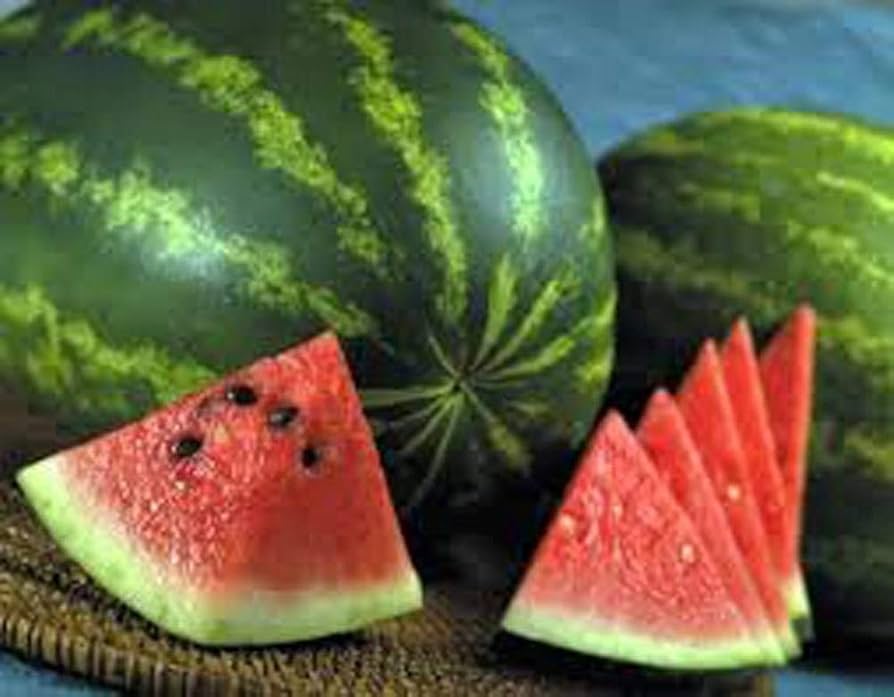
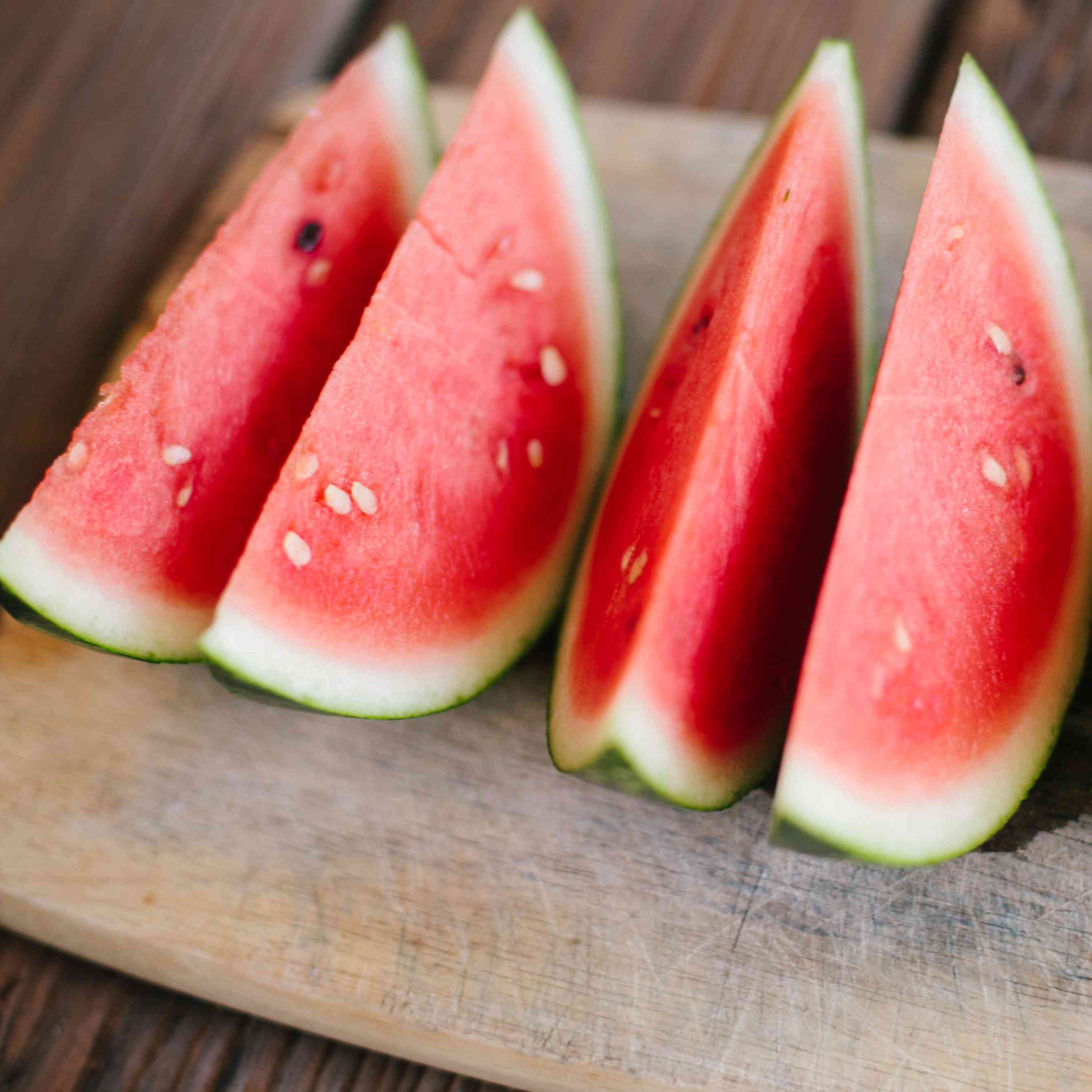
Premium Watermelon Variety: Known for its rich flavor, crisp texture, and bright red flesh.
Non-GMO & Naturally Grown: Free from chemical treatments or genetic modification.
High-Yielding Plants: Produces large, uniform fruits ideal for home and market growers.
Heat & Drought Tolerant: Thrives in warm, sunny climates with minimal care.
Perfect for Gardeners: Suitable for backyard gardens, raised beds, or open fields.
Long Storage Life: Fruits stay fresh for days when harvested at peak ripeness.
Excellent for Fresh Eating: Perfect for juices, salads, and desserts.
Scientific Name: Citrullus lanatus
Common Name (US): Jubiläums Watermelon
Plant Type: Annual Fruit Plant (Vining Type)
Growth Habit: Sprawling vine, up to 10–12 feet
Fruit Weight: 15–25 lbs (depending on care)
Flesh Color: Deep Red
Rind: Green with dark stripes
USDA Hardiness Zones: 3–11 (warm season annual)
Sun Exposure: Full Sun (6–8 hours daily)
Soil Type: Well-drained sandy loam rich in organic matter
Soil pH: 6.0–6.8
Watering Needs: Moderate; consistent moisture during flowering and fruiting
Seed Type: Non-GMO / Heirloom Variety
Germination Temperature: 75–90°F (24–32°C)
Germination Time: 7–14 days
Days to Maturity: 85–95 days
Spacing: 36–60 inches between plants; 6–8 feet between rows
Pollination: Insect-pollinated
Harvest Season: Summer
Maintenance Level: Easy to Moderate
Seed Preparation: Soak seeds in warm water for 6–8 hours before planting.
Soil Preparation: Enrich soil with compost or organic manure before sowing.
Planting Depth: Sow seeds 1 inch deep directly into prepared soil.
Temperature: Ensure soil temperature is above 70°F (21°C) for germination.
Watering: Keep soil evenly moist but not soggy; reduce watering before harvest for sweeter fruit.
Fertilization: Apply balanced organic fertilizer during early growth and fruiting.
Support: Allow vines to spread freely or train them on a trellis in limited spaces.
Pest Care: Use natural deterrents to protect from aphids and beetles.
Harvesting: Pick watermelons when tendrils near the fruit turn brown and the rind color dulls slightly.
Choose options