


Free Shipping
Safe & Secure Payments
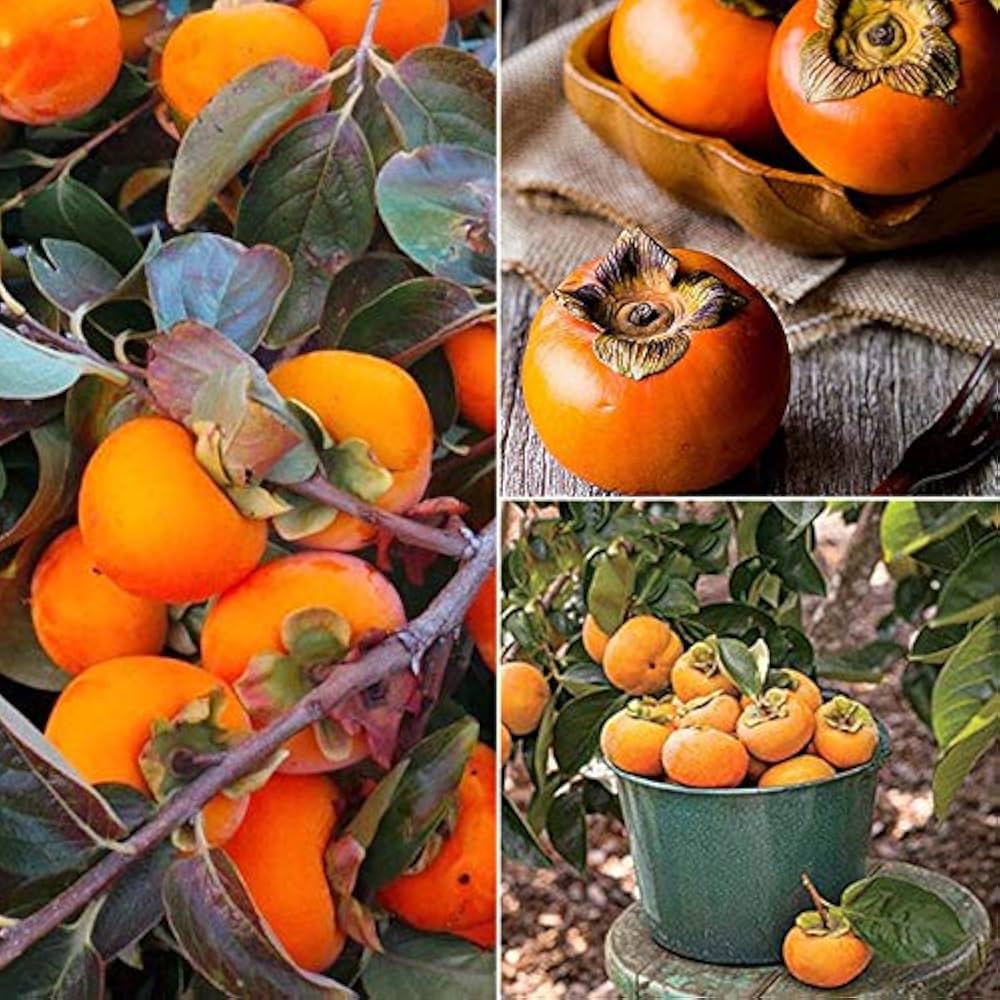
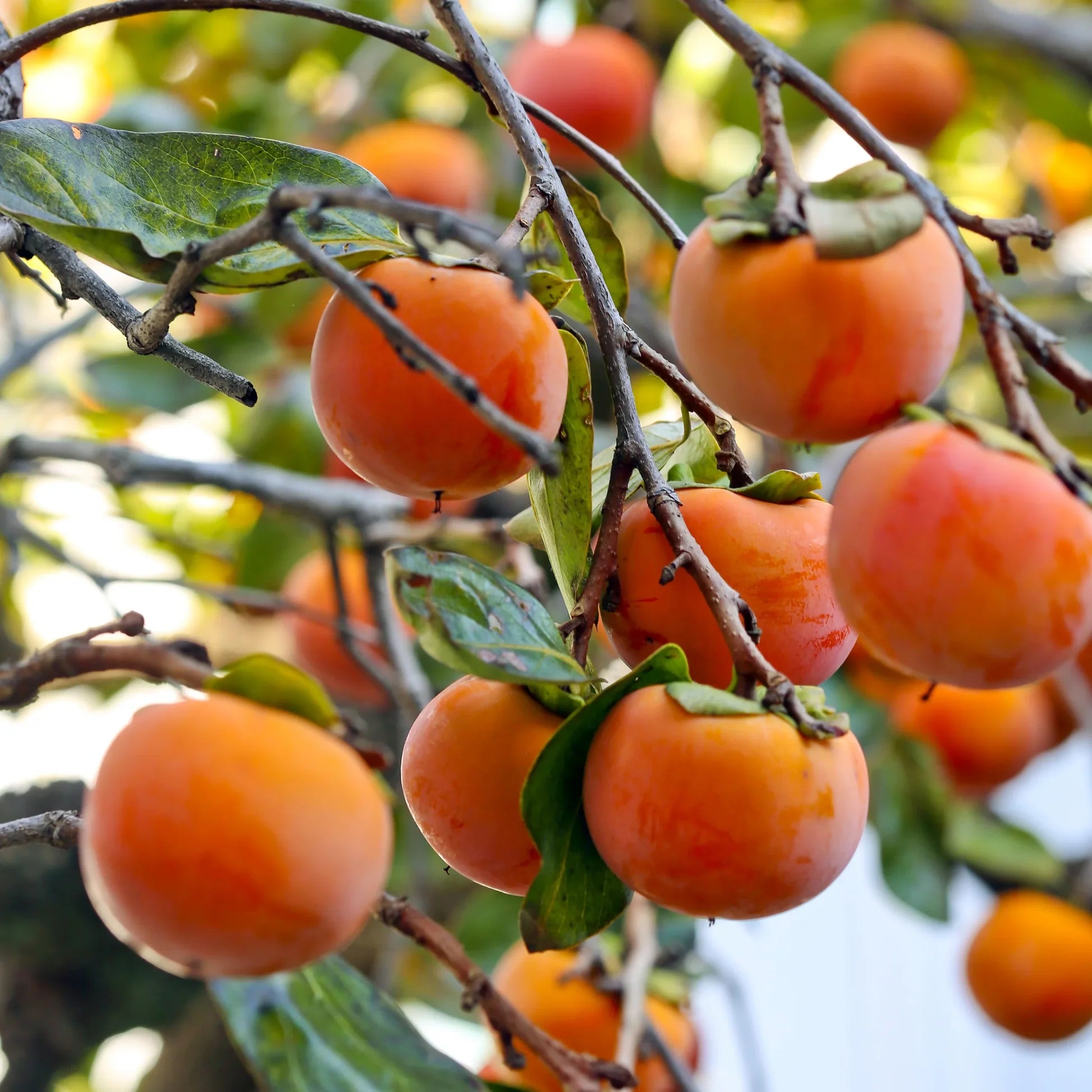
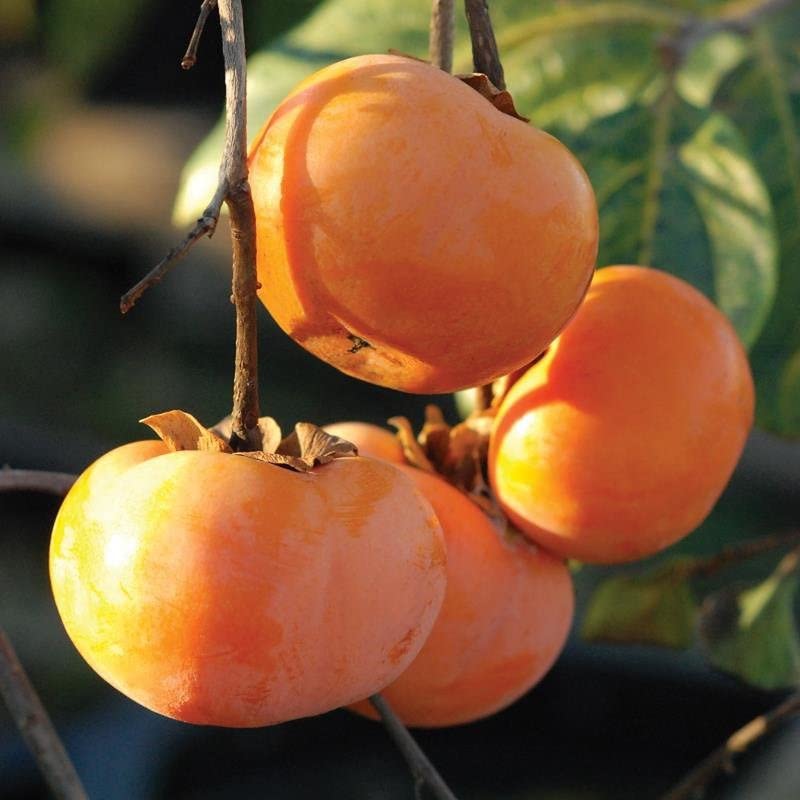
The Italian Persimmon (Diospyros kaki) is a classic fruit tree known for its delicious, honey-sweet orange fruits and glossy green foliage. Grown from non-GMO seeds, this ornamental and productive tree is perfect for home gardeners who love rich, flavorful harvests. The tree offers stunning fall colors and is ideal for both edible landscaping and ornamental planting.
Delicious Fruit: Produces smooth, sweet, and flavorful orange persimmons.
Dual Purpose: Great for fruit production and as an ornamental tree.
High Germination Rate: Quality non-GMO seeds for healthy growth.
Cold Hardy: Tolerates light frost once established.
Low Maintenance: Easy to grow with minimal care.
Seasonal Beauty: Attractive glossy leaves with golden-orange fall color.
Scientific Name: Diospyros kaki
Common Name (U.S.): Italian Persimmon / Oriental Persimmon
Seed Type: Non-GMO, Open-Pollinated
Plant Type: Deciduous Fruit Tree
Mature Height: 15–30 feet
Spread: 15–25 feet
Growth Rate: Moderate
Fruit Type: Round to slightly flattened orange fruit
Fruit Size: 2–4 inches in diameter
Flesh Flavor: Sweet and honey-like
Bloom Season: Spring
Harvest Season: Late Fall
Sunlight Requirement: Full Sun (6–8 hours daily)
Soil Type: Well-drained sandy loam
Soil pH: 6.0–7.5
Watering Needs: Moderate; prefers evenly moist soil
Temperature Range: 55°F–90°F (13°C–32°C)
USDA Hardiness Zones: 7–10
Days to Germination: 30–60 days
Organic Status: Non-GMO
Pollination: Self-pollinating (better yield with cross-pollination)
Lifespan: 30–50 years
Special Traits: Cold-hardy, drought-tolerant once established, attractive ornamental foliage
Seed Preparation: Soak seeds in warm water for 24 hours; cold stratify for 60–90 days.
Sowing Depth: Plant ½–1 inch deep in well-drained potting mix.
Light: Place in a warm, bright location with indirect sunlight.
Temperature: Maintain 70°F–85°F (21°C–29°C) for germination.
Watering: Keep soil moist but not waterlogged.
Transplanting: Move seedlings outdoors after frost when 8–10 inches tall.
Spacing: 15–20 feet apart for optimal air circulation.
Fertilizing: Use balanced fertilizer once during early growth and again before fruiting.
Pruning: Shape young trees to encourage strong branching.
Choose options