
Free Shipping
Safe & Secure Payments
Add vibrant color and texture to your garden with Fire and Ice Dogwood (Cornus alba) — a stunning ornamental shrub prized for its variegated leaves and brilliant red winter stems. Known for its year-round visual appeal, this variety is ideal for home gardens, hedges, and landscape borders. These non-GMO seeds produce hardy plants that thrive in cold and temperate regions, offering four-season beauty and easy maintenance.
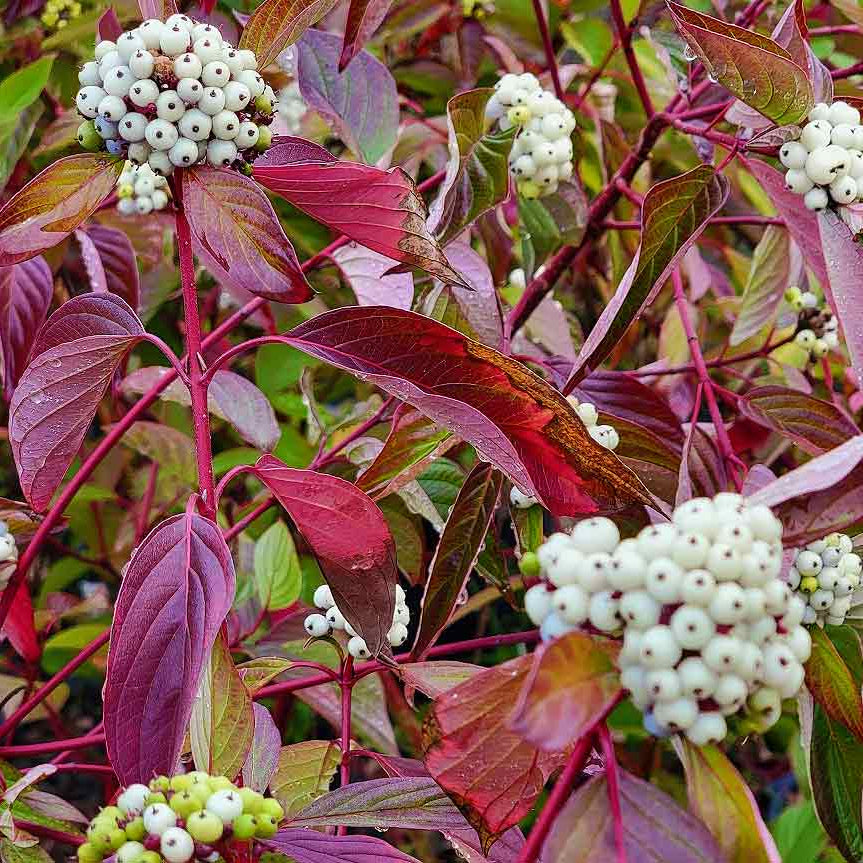
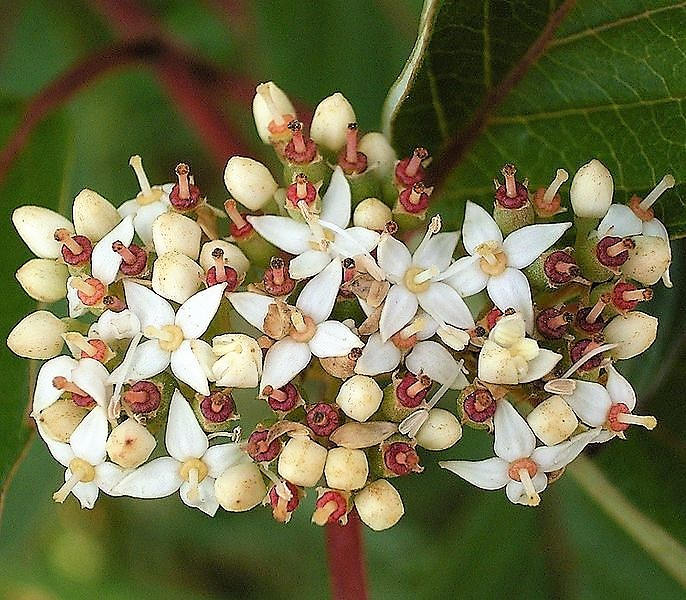
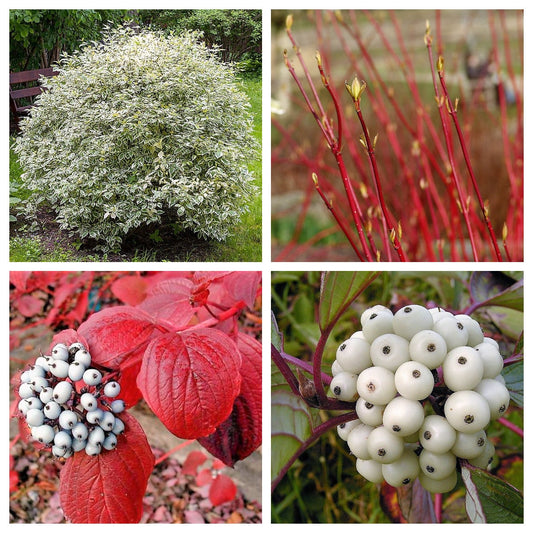
Four-Season Beauty: White spring flowers, variegated summer foliage, pink fall tones, and red winter stems.
Vibrant Variegation: Green leaves with creamy-white edges and rosy pink blush in cool weather.
Cold Hardy: Excellent tolerance to frost and winter conditions.
Non-GMO Seeds: Naturally cultivated, untreated, and open-pollinated.
Wildlife Friendly: Attracts pollinators, birds, and butterflies.
Low Maintenance: Drought-tolerant once established.
Scientific Name: Cornus alba ‘Fire and Ice’
Common Name (U.S.): Fire and Ice Dogwood
Seed Type: Non-GMO, Open-Pollinated
Plant Type: Deciduous Shrub / Small Tree
Height: 5–8 feet
Spread: 4–6 feet
Growth Habit: Upright, bushy form
Foliage Color: Green with creamy-white edges; pink hues in fall
Stem Color: Bright red in winter
Flower Color: Creamy white
Bloom Season: Late Spring to Early Summer
Fruit Type: Small white drupes (non-edible; for birds)
Growing Season: Spring to Fall
Sunlight Requirement: Full Sun to Partial Shade
Soil Type: Moist, well-drained loam or clay
Soil pH: 5.5–7.5
Watering Needs: Moderate; prefers consistent moisture
USDA Hardiness Zones: 3–7
Days to Germination: 60–90 days (cold stratification recommended)
Temperature Range: 55°F–75°F (13°C–24°C)
Organic Status: Non-GMO, Open-Pollinated
Pollination: Insect-pollinated
Wildlife Attraction: Bees, butterflies, and songbirds
Lifespan: Long-lived perennial shrub
Seed Preparation: Cold stratify seeds for 90–120 days to improve germination.
Sowing: Sow seeds ¼ inch deep in moist soil or seed trays in early spring.
Light Requirement: Provide full sunlight or partial shade.
Watering: Keep soil evenly moist but not soggy.
Transplanting: Move seedlings to garden beds or containers when 3–5 inches tall.
Spacing: Plant 4–6 feet apart for proper air circulation.
Maintenance: Prune older stems in late winter to encourage new red growth.
Fertilization: Apply a balanced organic fertilizer once per growing season.
Choose options