



Free Shipping
Safe & Secure Payments
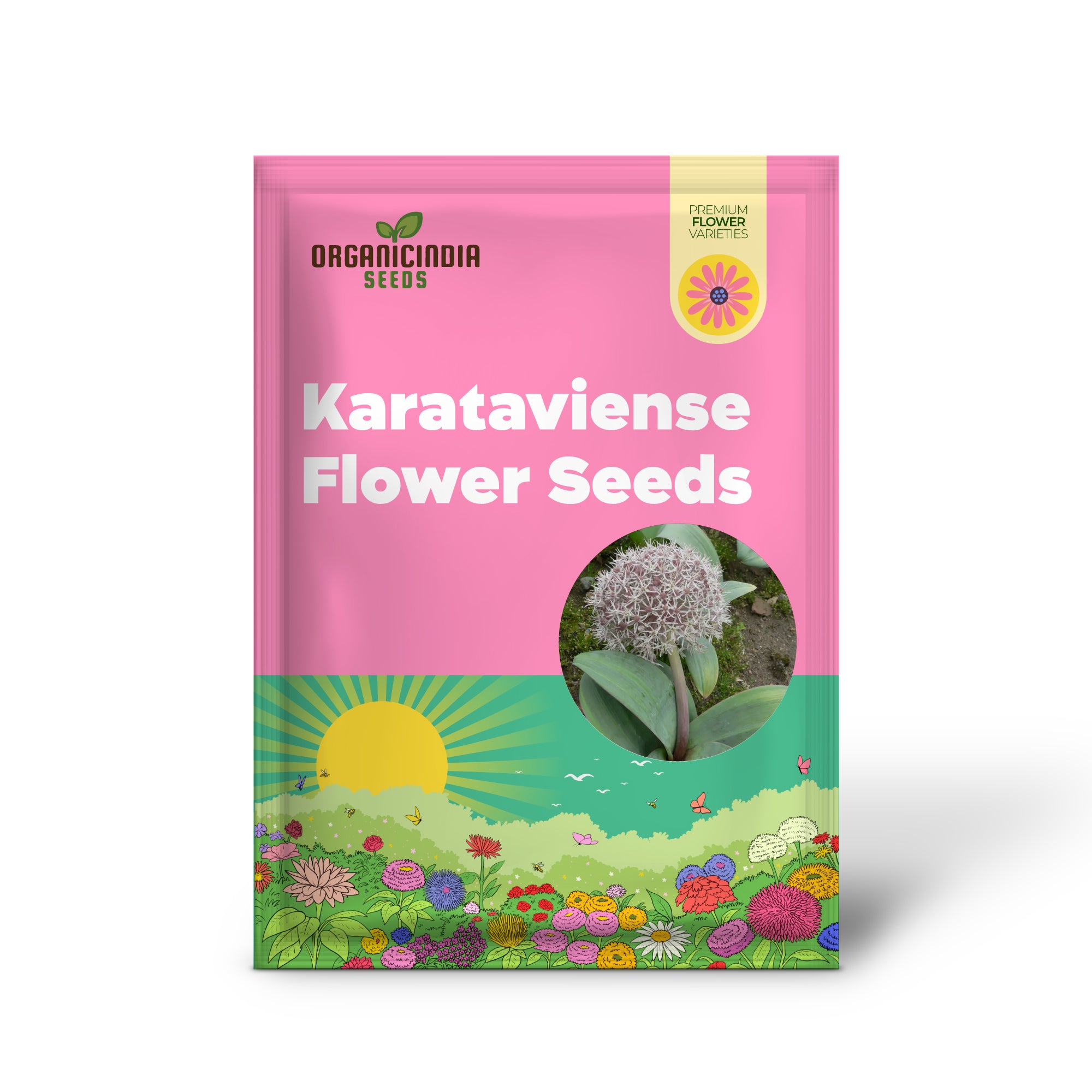
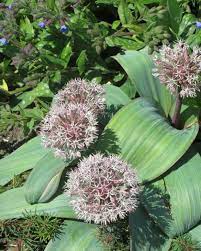
Transform your spring garden with Allium Karataviense Seeds, a premium ornamental variety known for its spherical flower heads, soft pastel tones, and elegant structure. This compact Allium species is prized for its striking globe-shaped flowers, broad blue-green foliage, and ability to thrive in both rock gardens and traditional flower beds.
Allium Karataviense produces long-lasting blossoms that add architectural interest and charm to any garden setting. These high-quality, non-GMO seeds offer excellent germination and reliable growth, making them an ideal choice for both new and experienced gardeners.
Produces decorative globe-shaped flower heads
Compact size ideal for small gardens and borders
High-quality, non-GMO seeds
Late-spring blooms add architectural garden interest
Drought-tolerant once established
Attractive to beneficial pollinators
Perfect for rock gardens, borders, and landscape accents
Botanical Name: Allium karataviense
Common Name (US): Kara Onion or Turkistan Onion
Plant Type: Perennial Ornamental
Seed Type: High-Quality, Non-GMO
Flower Color: Pale pink to light lavender globe blooms
Bloom Season: Late Spring to Early Summer
USDA Hardiness Zones: 4–9
Sun Exposure: Full Sun
Soil Requirements: Well-drained sandy or loamy soil
Plant Height: 8–12 inches
Spacing: 6–12 inches apart
Water Requirements: Low to moderate; drought-tolerant
Growth Habit: Compact, clump-forming
Germination Time: 14–30 days
Temperature for Germination: 60–70°F
Uses: Borders, rock gardens, decorative beds, landscaping
Special Notes: Allow foliage to die back naturally to strengthen bulbs for next season.
Some growers prefer cold stratification for 4–6 weeks to improve germination.
Not mandatory, but recommended for best results.
Sow seeds ¼ inch deep in well-drained soil.
Lightly cover and keep moist.
Maintain soil temperature between 60–70°F for germination.
Place in sunny spot with good airflow.
Transplant seedlings when large enough to handle.
Choose a sunny location with well-drained soil.
Water regularly during germination and establishment.
Reduce watering once plants mature—Alliums prefer drier soil.
Apply mulch to reduce weeds and retain moisture.
Expect blooms in late spring after plants mature.
Foliage should be left untouched until it naturally fades.
Eye-catching ornamental flowers for spring landscapes
Low-maintenance and drought-tolerant
Adds structure, color, and height to garden beds
Ideal for modern, rock, and architectural garden designs
Supports pollinators such as bees
Choose options