
Free Shipping
Safe & Secure Payments
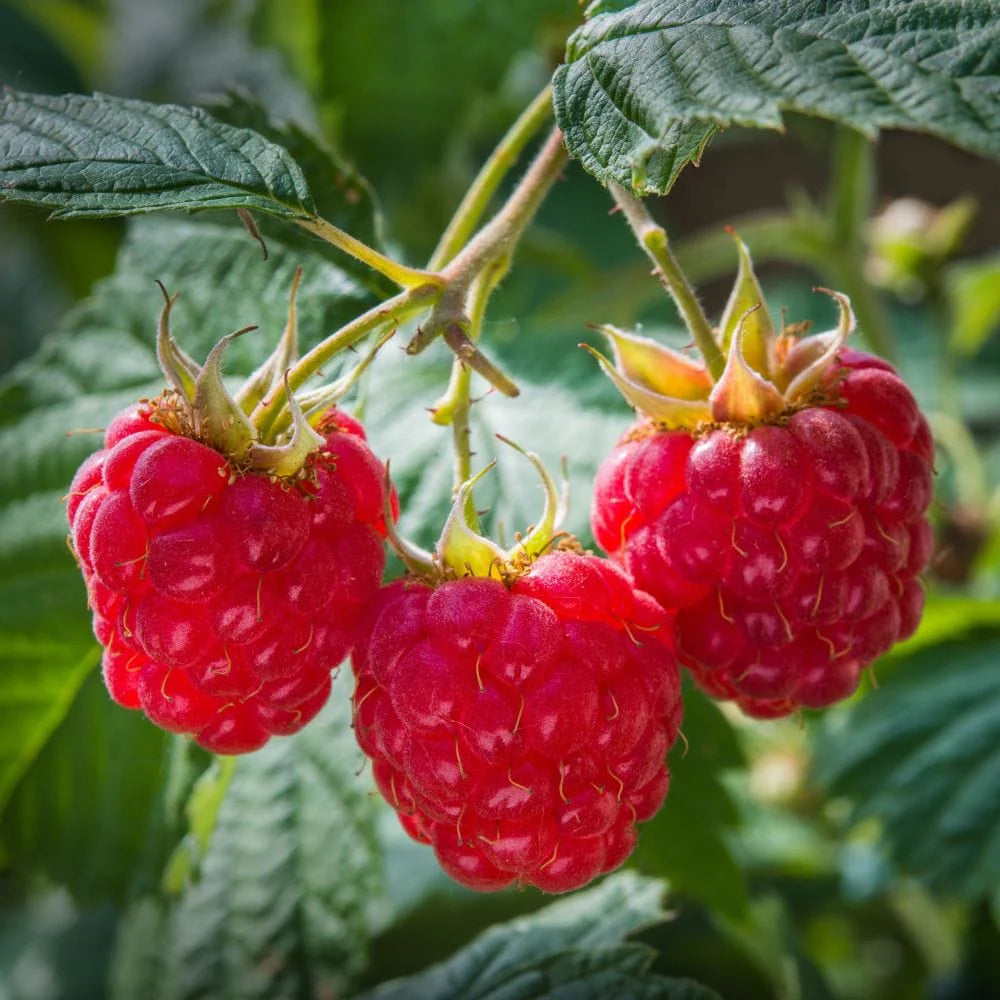
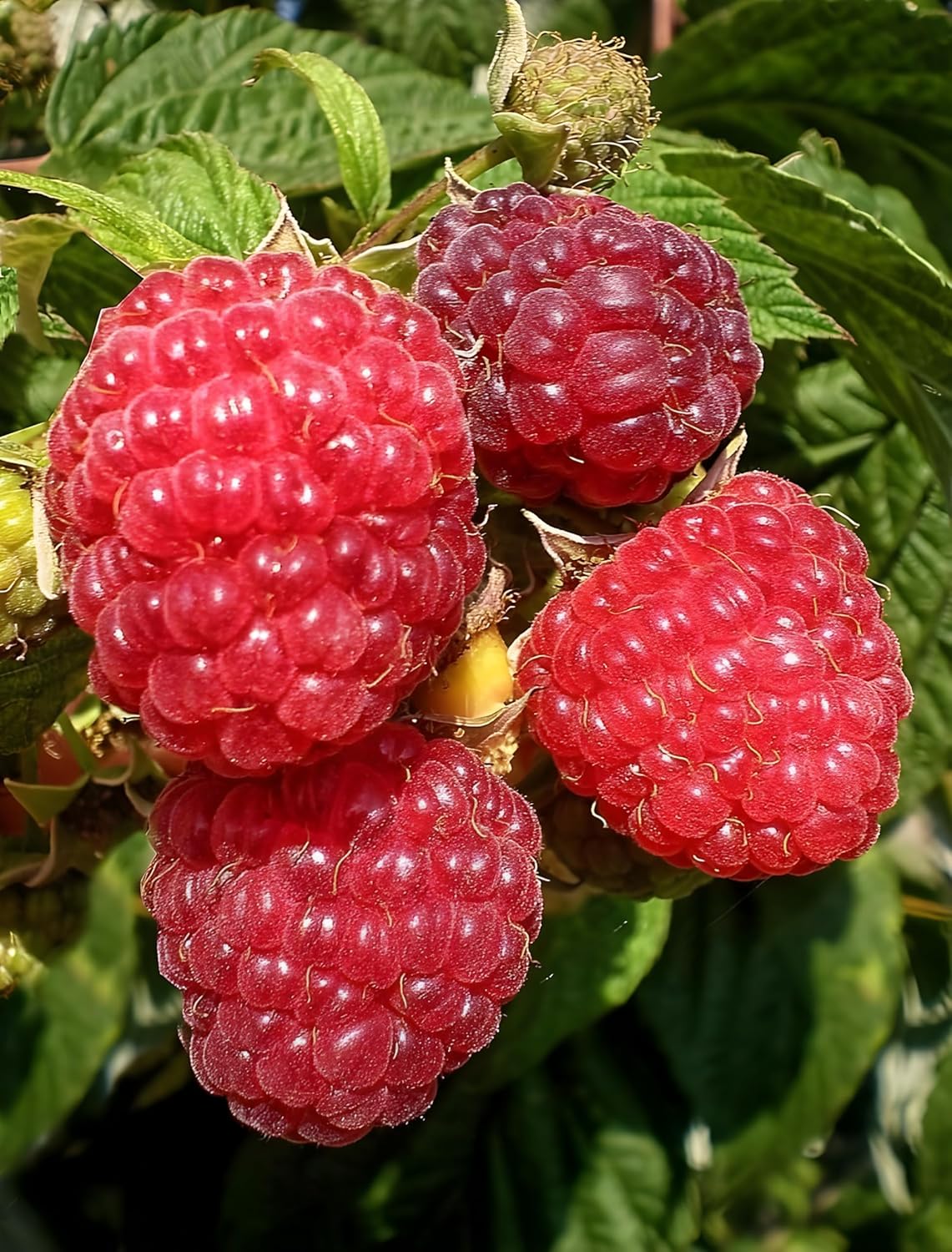
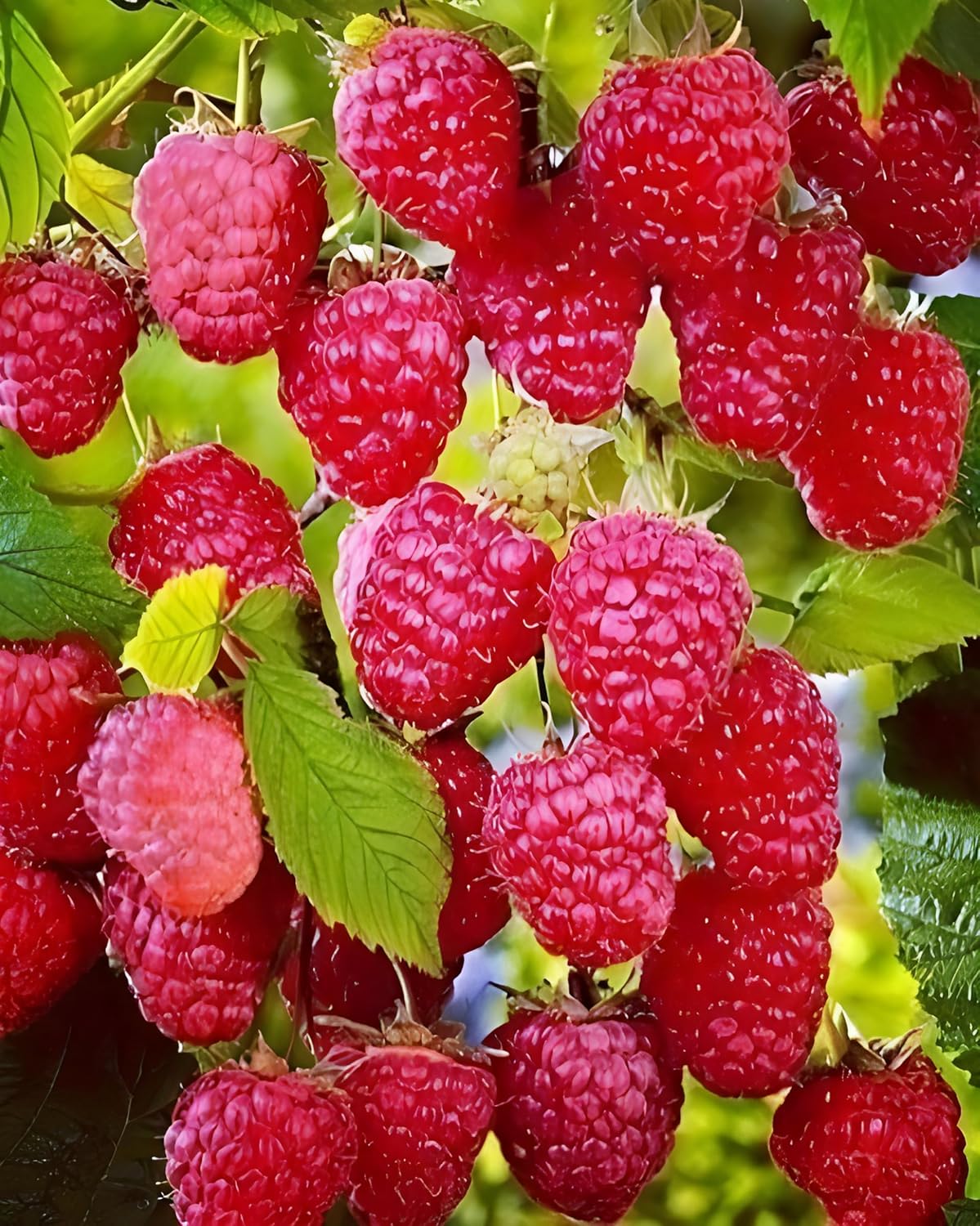
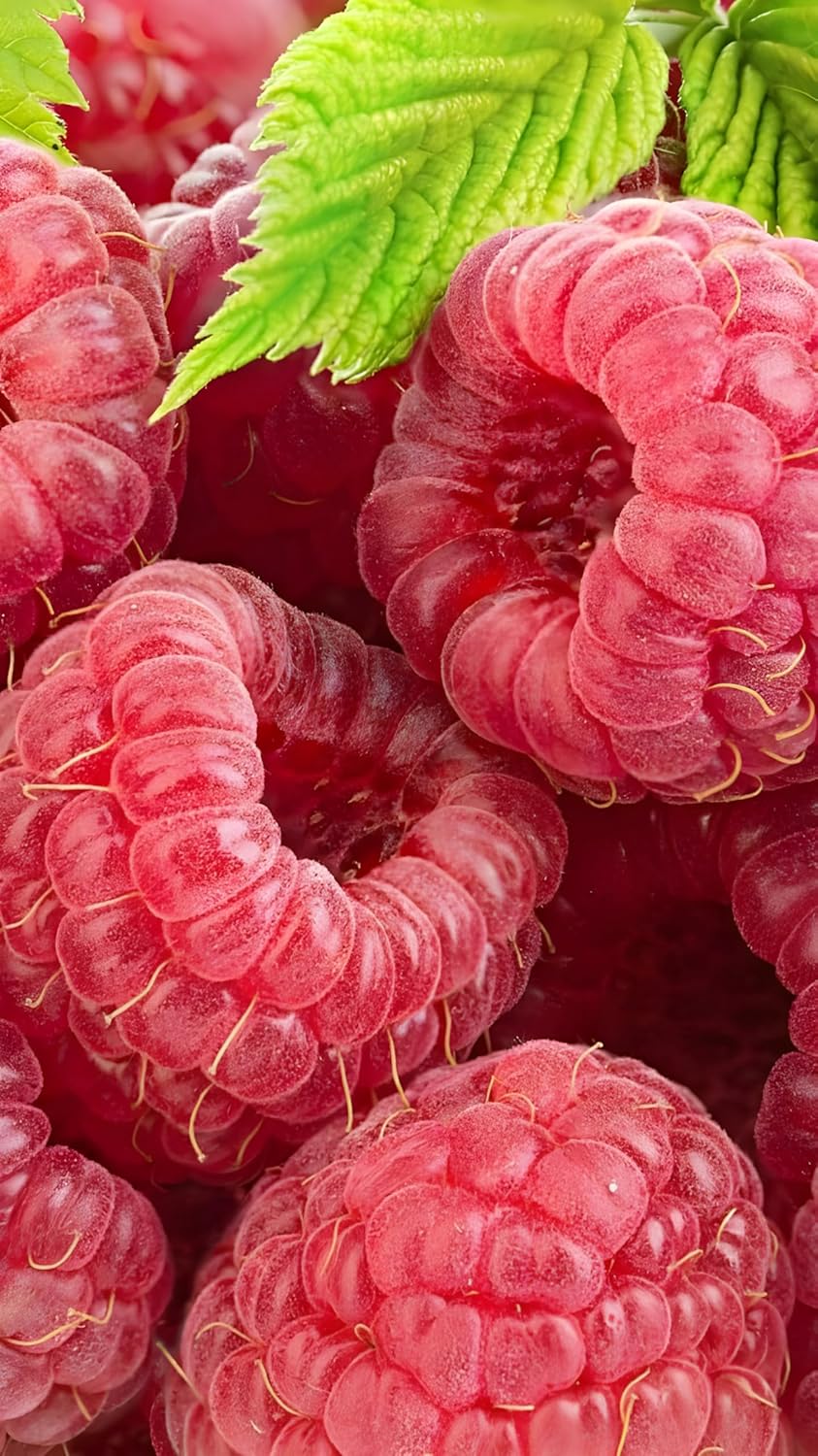
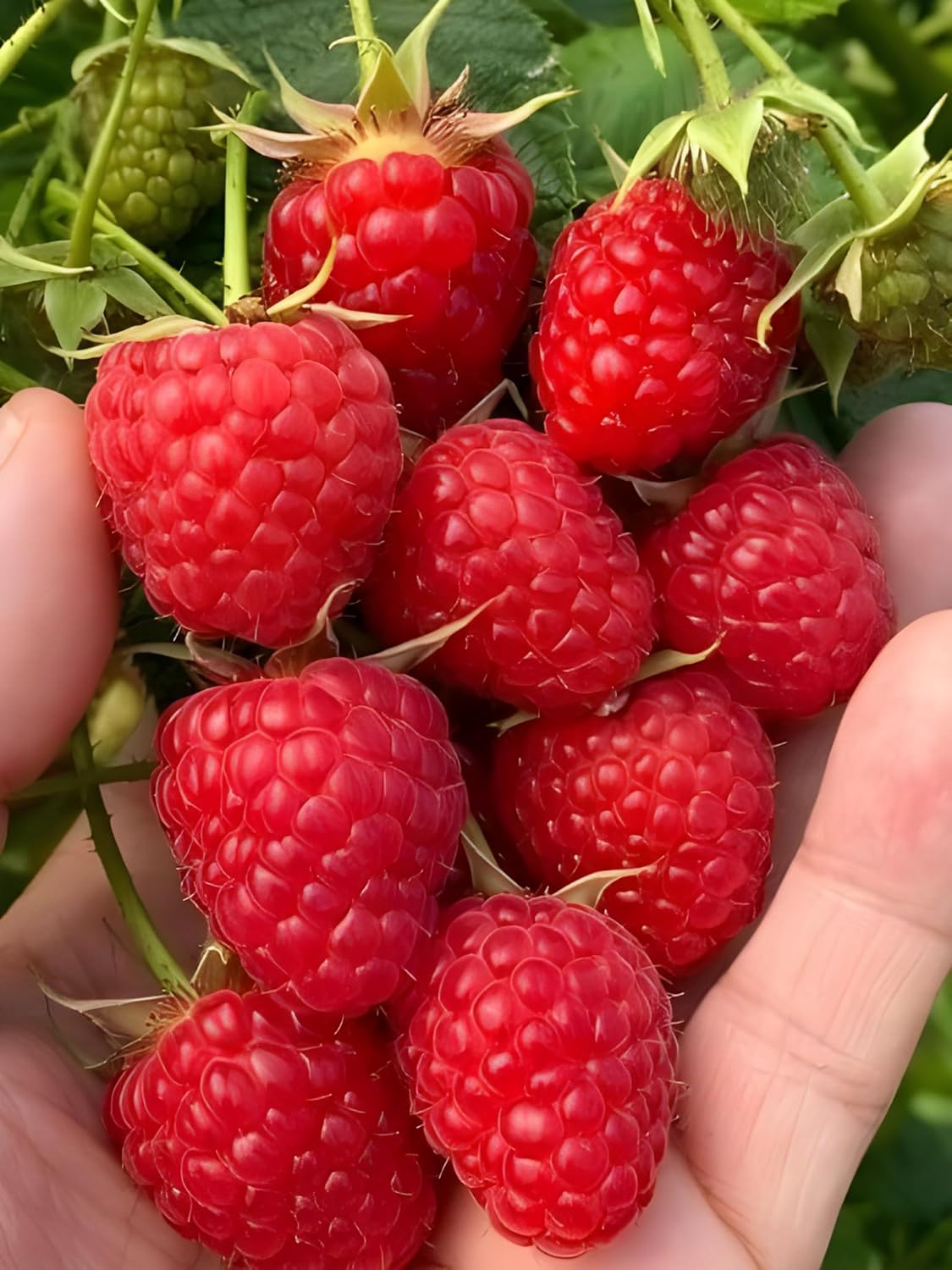
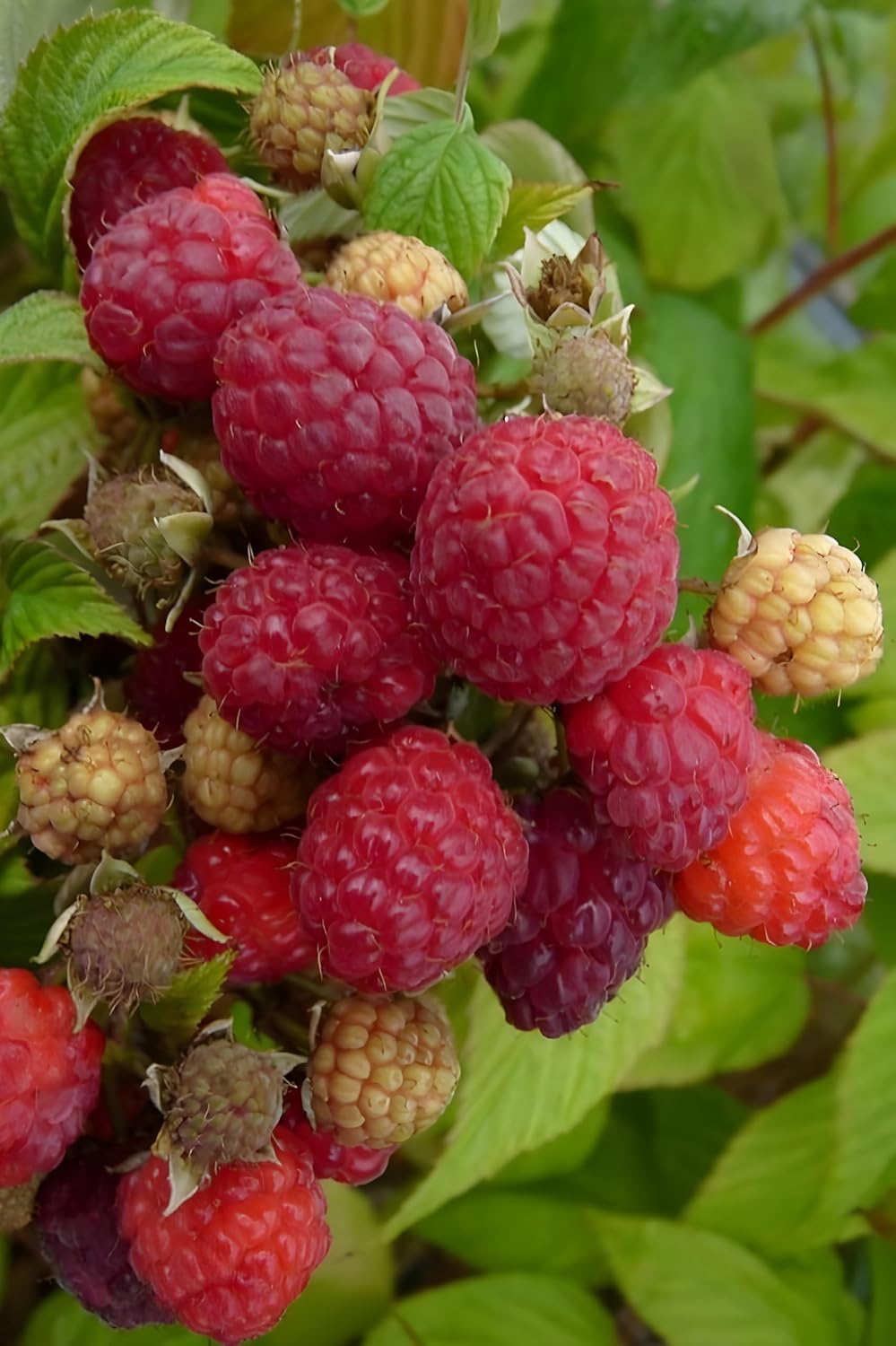
Cultivate your own Red Raspberry (Rubus idaeus) plants with these high-quality, non-GMO fruit seeds and enjoy the reward of homegrown, juicy berries. A favorite among gardeners, red raspberries are prized for their vibrant flavor, high nutritional value, and versatility in the kitchen — perfect for fresh snacking, baking, or making jams and desserts.
These seeds produce vigorous, productive raspberry canes that thrive in well-drained soil and full sunlight. Once established, plants yield clusters of sweet, tart berries throughout the summer and can continue fruiting for years with proper care.
Ideal for container gardens, raised beds, or backyard planting, these raspberry plants are cold-hardy, perennial, and easy to maintain — making them perfect for both beginner and experienced gardeners.
Premium Red Raspberry Seeds for planting
Produces sweet, juicy, and flavorful red berries
Cold-hardy perennial plants for lasting harvests
Excellent for fresh eating, preserves, and desserts
Non-GMO and naturally grown seeds
Perfect for home gardens, pots, and small farms
Easy to grow with minimal maintenance
Pollinator-friendly; attracts bees and butterflies
Common Name: Red Raspberry
Scientific Name: Rubus idaeus
Plant Type: Perennial fruit-bearing shrub
Growth Habit: Erect to arching canes
Mature Height: 3–6 ft (0.9–1.8 m)
Fruit Color: Bright red
Fruit Flavor: Sweet-tart and juicy
Bloom Time: Late spring
Harvest Season: Summer to early fall
USDA Hardiness Zones: 4–8
Sun Exposure: Full sun (6+ hours daily)
Soil Type: Loamy, well-drained soil
Soil pH: 5.5–6.5
Watering: Moderate; keep soil evenly moist
Temperature Range: 60–75°F (15–24°C) optimal for growth
Season for Planting: Spring or fall
Germination Time: 20–40 days
Germination Temperature: 70°F (21°C)
GMO Status: Non-GMO
Organic Status: Naturally grown (non-certified)
Stratify seeds: Place seeds in moist sand inside a plastic bag; refrigerate for 4–6 weeks.
Sow: After stratification, sow seeds ¼ inch deep in a well-draining seed-starting mix.
Water: Keep the soil moist but not soggy.
Light: Provide bright light or partial sun for germination.
Transplant: Move seedlings outdoors once they’re strong and frost danger has passed.
Mulch: Retain soil moisture and suppress weeds.
Prune: Remove old canes after fruiting to encourage new growth.
Choose options