

Free Shipping
Safe & Secure Payments
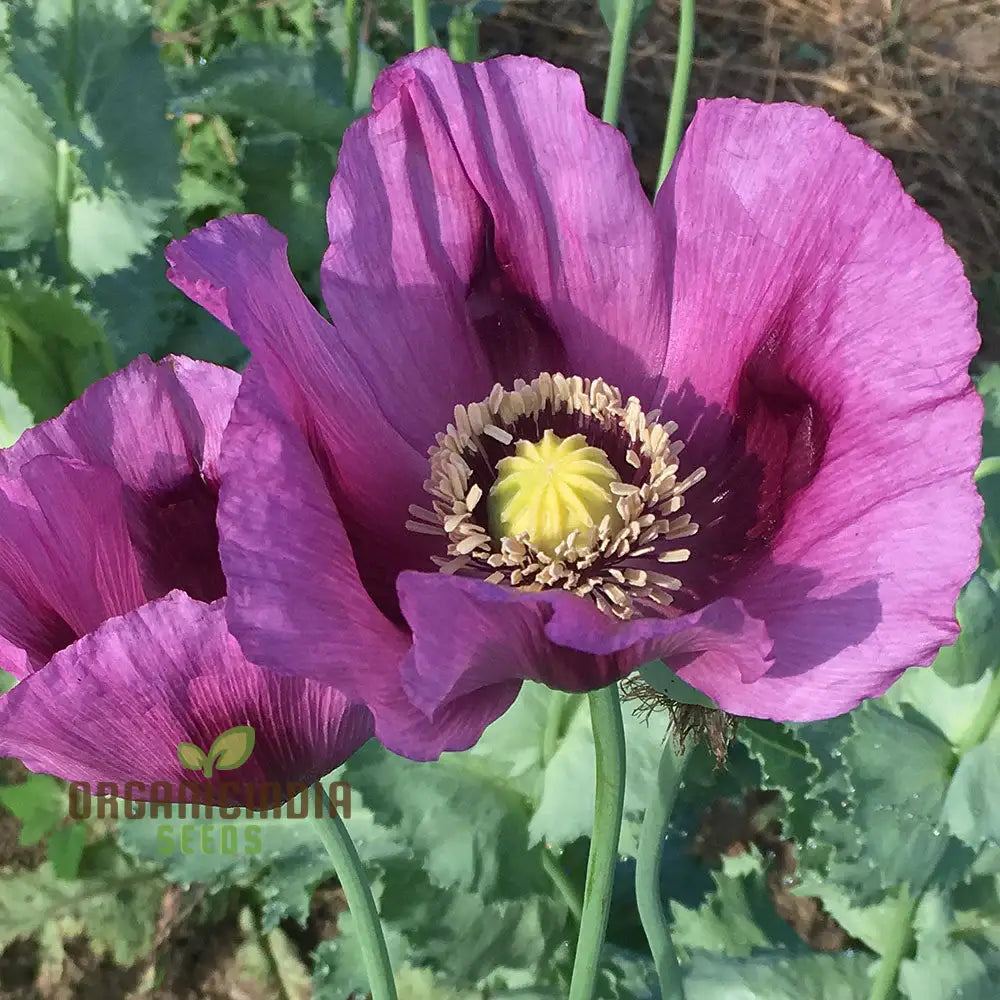
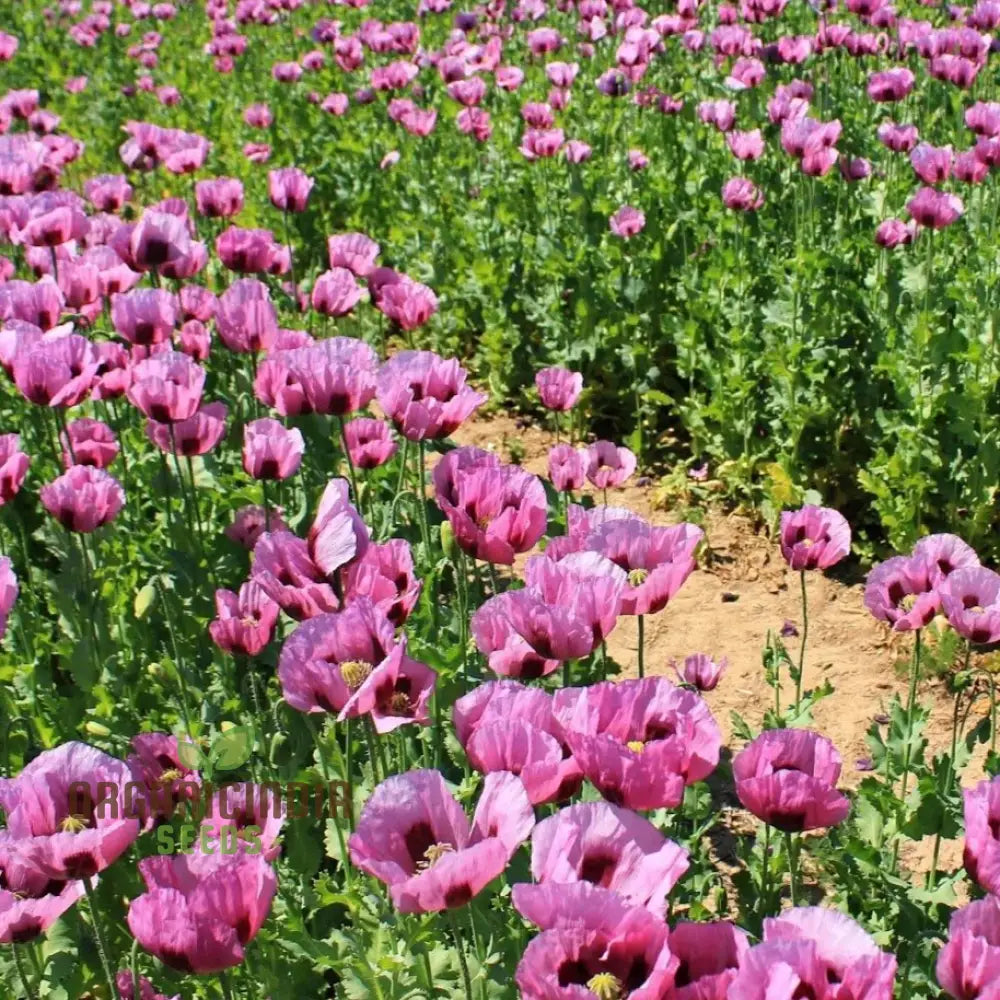
Enhance your garden with the striking beauty of Hungarian Blue Poppy Seeds, a Papaver variety cherished for its unique violet-blue petals and soft, delicate texture. These seeds produce tall, elegant flowers that create dramatic color in garden beds, borders, and wildflower-style plantings.
Hungarian Blue poppies are known for being hardy, reliable bloomers with excellent visual impact. Their vibrant tones make them a standout choice for gardeners who want an ornamental flower that requires minimal care and thrives in various climates.
This variety is especially popular among home gardeners for its strong stems, attractive seed pods, and natural ability to reseed for future seasons.
Produces vibrant violet-blue papaver poppy blooms
Highly ornamental and visually striking
Non-GMO, high-quality seeds
Drought-tolerant once established
Easy to grow in various soil types
Ideal for cottage gardens, borders, and wildflower displays
Reseeds naturally for recurring garden beauty
Botanical Name: Papaver somniferum
Common Name: Hungarian Blue Poppy
Seed Type: High-Quality, Non-GMO
Plant Type: Annual Flower
Flower Color: Violet-Blue / Purple-Blue
Bloom Season: Late Spring to Summer
USDA Hardiness Zones: 3–9
Sun Exposure: Full Sun
Soil Type: Well-drained, sandy or loamy soil
Soil pH: Neutral to slightly alkaline
Plant Height: 24–36 inches
Spacing: 6–12 inches apart
Water Requirements: Low to Moderate
Germination Time: 10–20 days
Temperature for Germination: 55–65°F
Growth Habit: Upright, clumping annual
Uses: Borders, cottage gardens, ornamental beds, wildflower meadows
Special Notes: Does best with direct sowing; avoid transplanting as roots are sensitive.
Hungarian Blue Poppy Seeds grow best when sown directly in the garden.
Scatter seeds on the soil surface; do not cover heavily.
Press lightly into the soil for good seed-to-soil contact.
Ideal sowing time: early spring or late fall in mild climates.
Choose a sunny spot with well-drained soil.
These poppies prefer slightly dry conditions; avoid overly rich soil.
Keep soil lightly moist until germination.
After seedlings establish, water sparingly.
Thin seedlings to prevent overcrowding.
Avoid heavy fertilizing, as it reduces flowering.
Deadheading is not necessary; allow seed pods to form if you want them to reseed naturally.
Expect flowers in late spring through early summer.
Attractive seed pods remain ornamental even after blooming ends.
Adds a bold splash of color to gardens
Minimal maintenance required
Great for naturalistic and cottage-style gardens
Pollinator-friendly
Reseeds gently for future seasons
حدِّد الخيارات