
Free Shipping
Safe & Secure Payments
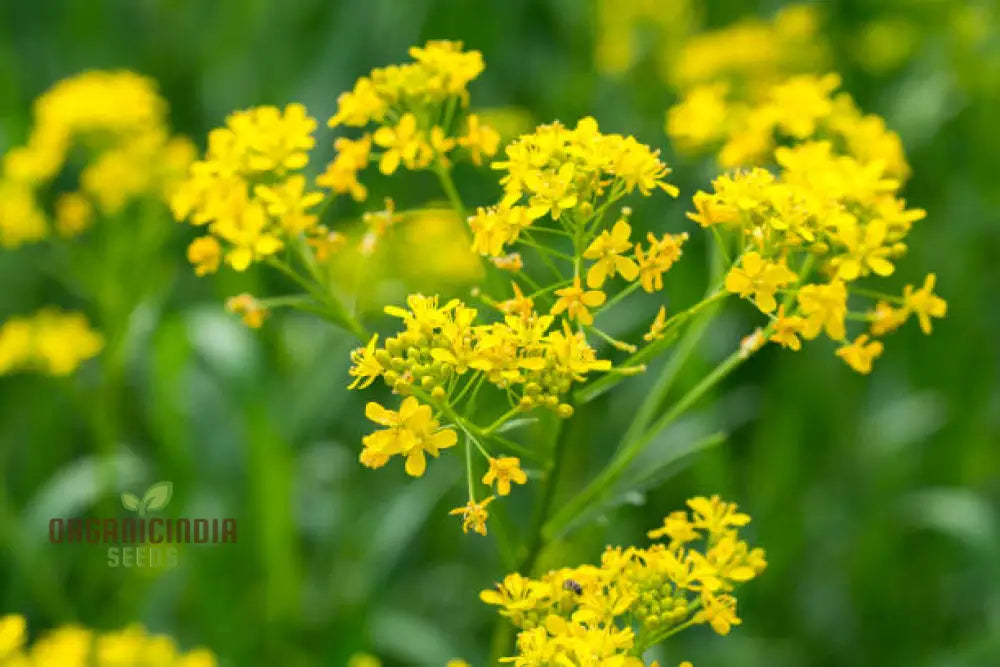
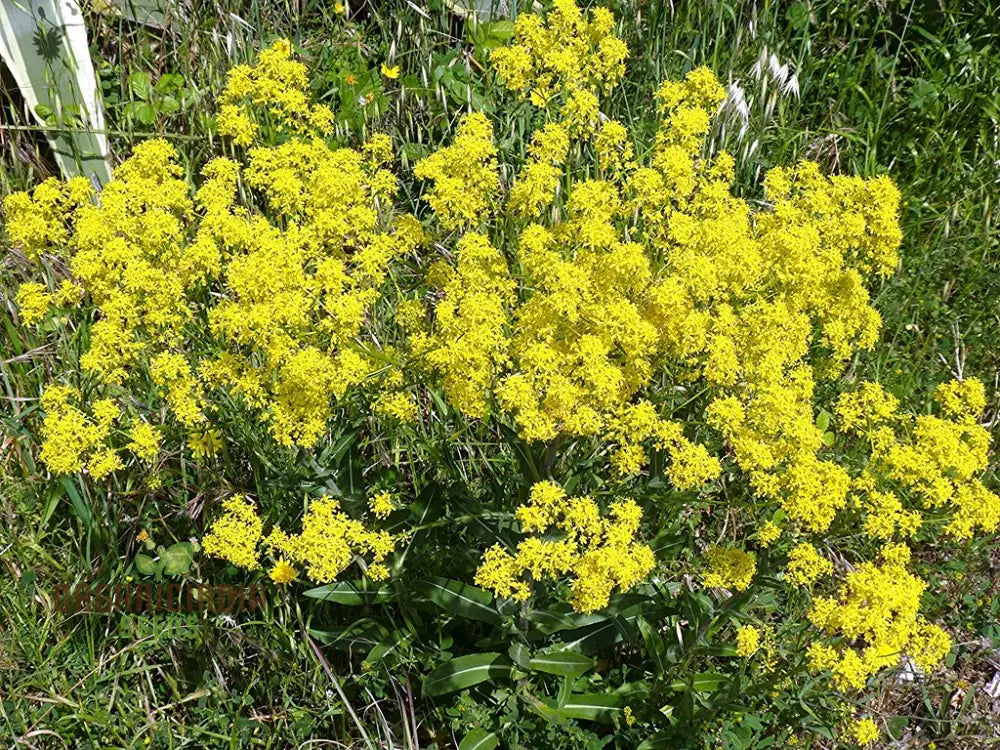
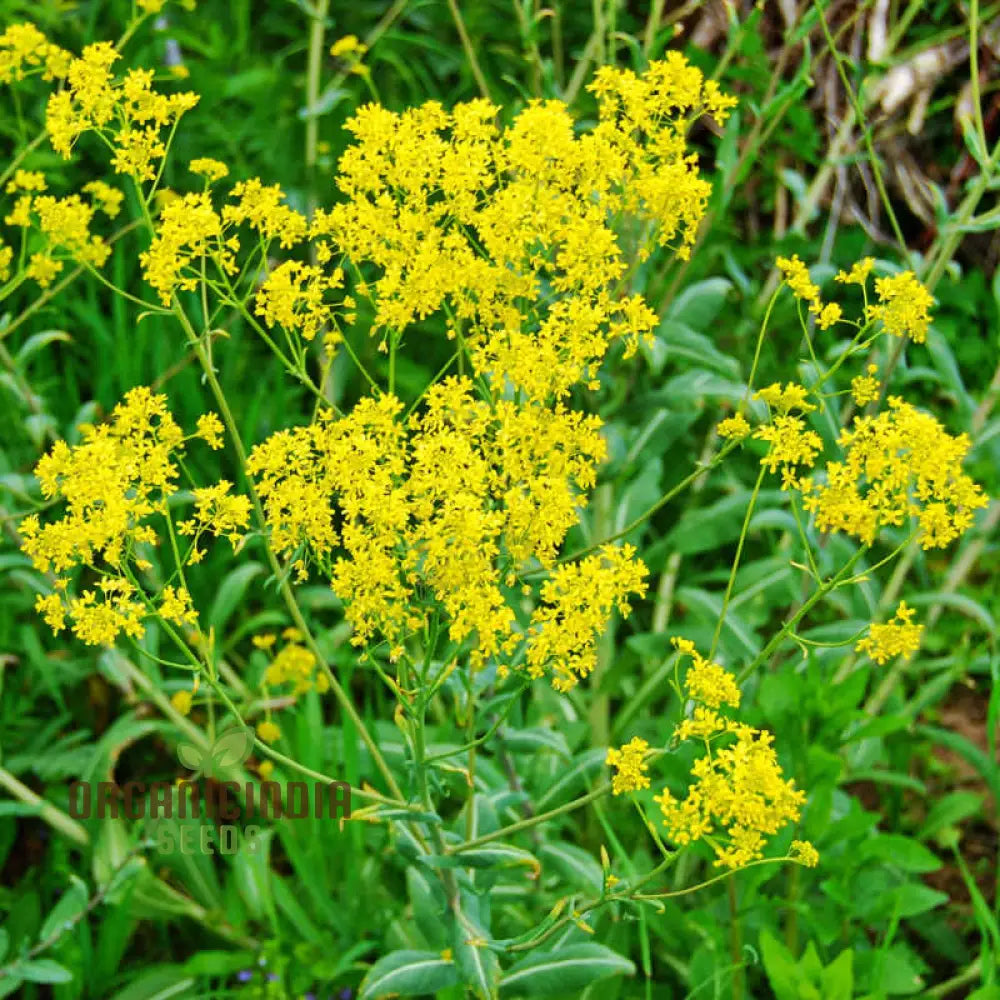
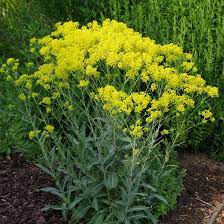
Enhance your garden with the striking beauty of Woad Flower Seeds (Isatis tinctoria). Known for their bright yellow clusters and upright growth habit, Woad plants bring unique color and structure to landscapes, borders, wildflower areas, and naturalized garden settings.
Woad is valued for its resilience, ornamental charm, and ability to thrive in a variety of climates. These high-quality, non-GMO seeds produce hardy plants that require minimal care, making them suitable for both beginner and experienced gardeners. Their long blooming season and attractive foliage add visual interest from spring through summer.
Produces vibrant yellow flower clusters
Hardy, low-maintenance plants
Excellent for borders, wildflower gardens, and natural landscapes
High-quality, non-GMO seeds with strong germination
Thrives in full sun and moderate soil conditions
Ideal for pollinator-friendly gardens
Grows well in a variety of climates and soil types
Botanical Name: Isatis tinctoria
Common Name (US): Woad
Plant Type: Biennial / Short-lived Perennial
Seed Type: High-Quality, Non-GMO
Flower Color: Bright Yellow
Bloom Season: Spring to Early Summer
USDA Hardiness Zones: 3–8
Sun Exposure: Full Sun
Soil Requirements: Well-drained, moderately fertile soil
Plant Height: 24–48 inches
Spacing: 12–18 inches apart
Water Requirements: Moderate; drought-tolerant once established
Germination Time: 7–14 days
Temperature for Germination: 60–70°F
Growth Habit: Upright, bushy
Uses: Borders, wildflower gardens, ornamental planting, naturalized landscapes
Special Notes: Remove spent flower stalks to prevent excessive self-seeding.
No stratification needed.
Sow directly outdoors or start indoors 4–6 weeks before the last frost.
Sow seeds ¼ inch deep and lightly cover with soil.
Ensure full sun exposure for best flower production.
Maintain soil temperatures of 60–70°F for germination.
Water regularly until seedlings establish.
Once mature, Woad becomes drought-tolerant.
Deadhead flowers to encourage tidy growth.
If starting indoors, transplant seedlings when they have 3–4 true leaves.
Blooms typically appear in the second year for biennial plants.
Flowers are produced abundantly from late spring through early summer.
Provides long-lasting yellow blooms
Low maintenance and adaptable to many climates
Ideal for naturalized and wildflower garden designs
Attracts beneficial pollinators
حدِّد الخيارات