
Free Shipping
Safe & Secure Payments
Hardy Evergreen Shrub: Grows year-round with glossy holly-like leaves.
Medicinal & Ornamental Plant: Roots contain berberine, known for natural healing benefits.
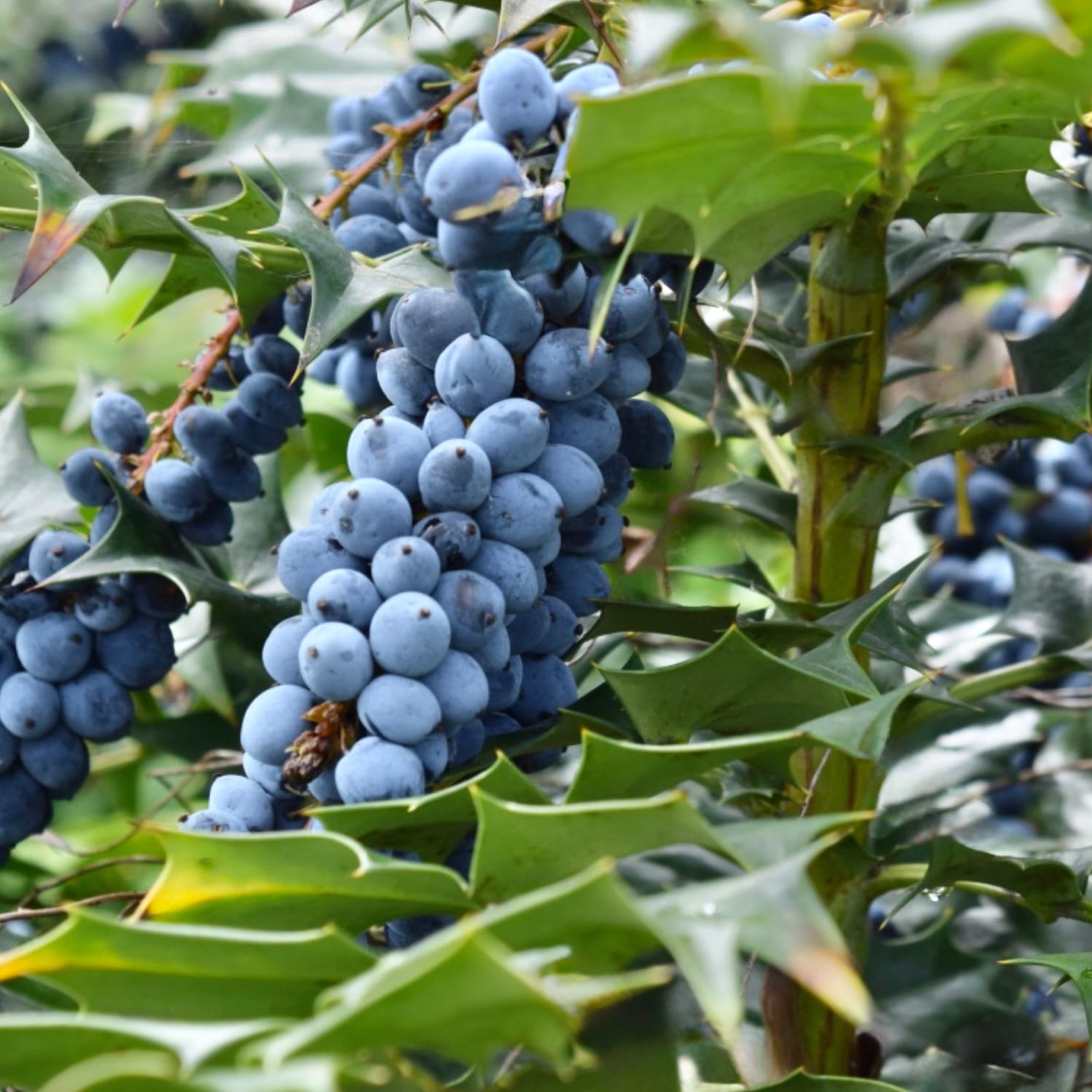
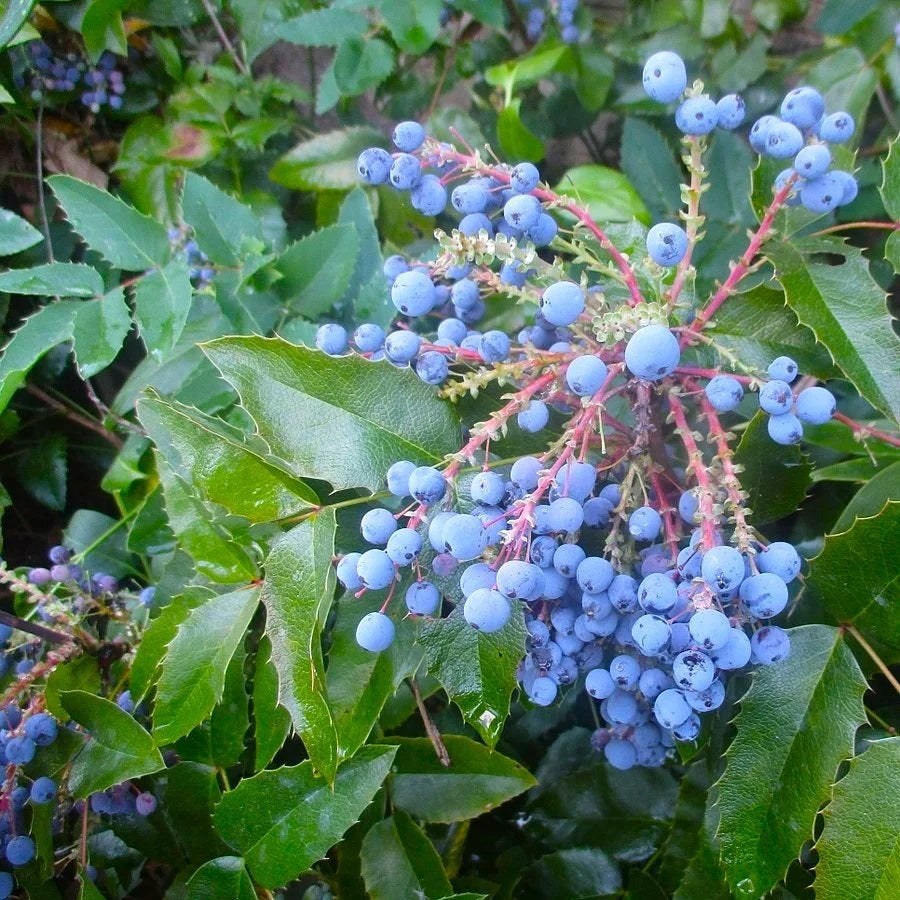
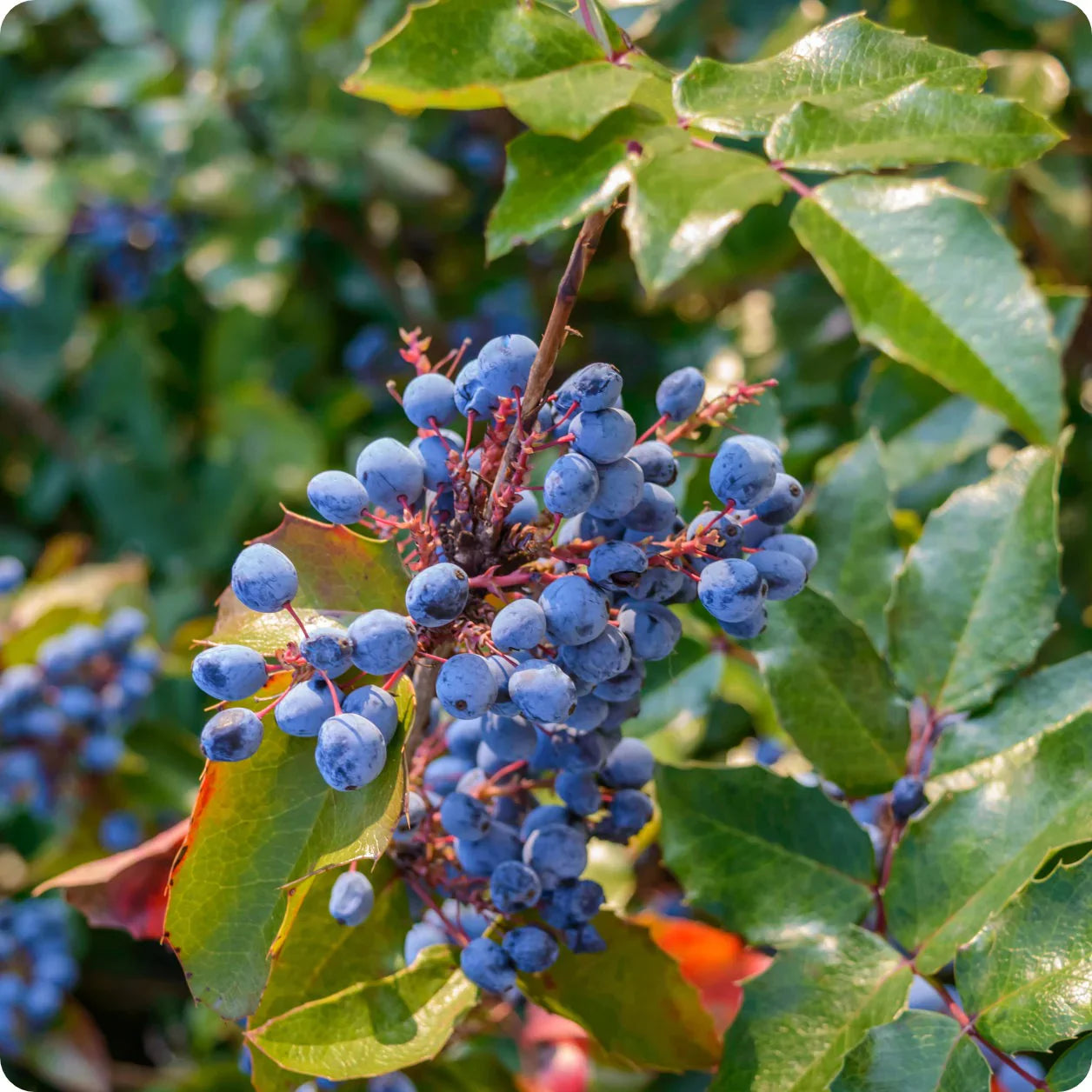
Attractive Blooms & Berries: Produces yellow flowers in spring followed by blue berries.
Low Maintenance: Thrives in partial shade or full sun with minimal care.
Wildlife Friendly: Berries attract birds and pollinators, enhancing biodiversity.
Non-GMO Quality: Naturally produced, pesticide-free and untreated seeds.
Scientific Name: Mahonia aquifolium
Common Name (US): Oregon Grape
Plant Type: Perennial Evergreen Shrub
Growth Height: 3–6 feet (90–180 cm)
USDA Hardiness Zones: 5–9
Sun Exposure: Partial Shade to Full Sun
Soil Type: Well-drained, slightly acidic soil
Water Requirements: Moderate
Blooming Season: Spring
Fruit Season: Summer (Deep Blue-Purple Berries)
Germination Time: 30–60 days
Seed Type: Non-GMO, Heirloom Quality
Temperature for Germination: 60–70°F (15–21°C)
Planting Depth: ¼ inch (6 mm)
Spacing: 2–3 feet apart
Lifespan: Long-lived perennial
Usage: Medicinal, landscaping, erosion control, wildlife habitat
Seed Preparation: Soak Oregon Grape seeds in warm water for 24 hours before sowing.
Soil Preparation: Use well-draining soil with organic compost for best germination.
Sowing: Plant seeds ¼ inch deep in seed trays or directly outdoors in early spring.
Light & Temperature: Keep in a warm location (60–70°F) with partial sunlight.
Watering: Maintain evenly moist soil—avoid waterlogging.
Transplanting: Once seedlings are 3–4 inches tall, transplant them to garden beds or pots spaced 2–3 feet apart.
Maintenance: Mulch to retain moisture and prune after flowering for compact growth.
Oregon Grape plants prefer mild climates with partial shade.
Avoid overwatering; ensure good air circulation around the plants.
Ideal for native gardens, forest edges, and shaded borders.
Fruits are edible but sour—commonly used in jellies or herbal medicines.
حدِّد الخيارات